Do your students need help identifying fact, opinion, and bias as they read and write?
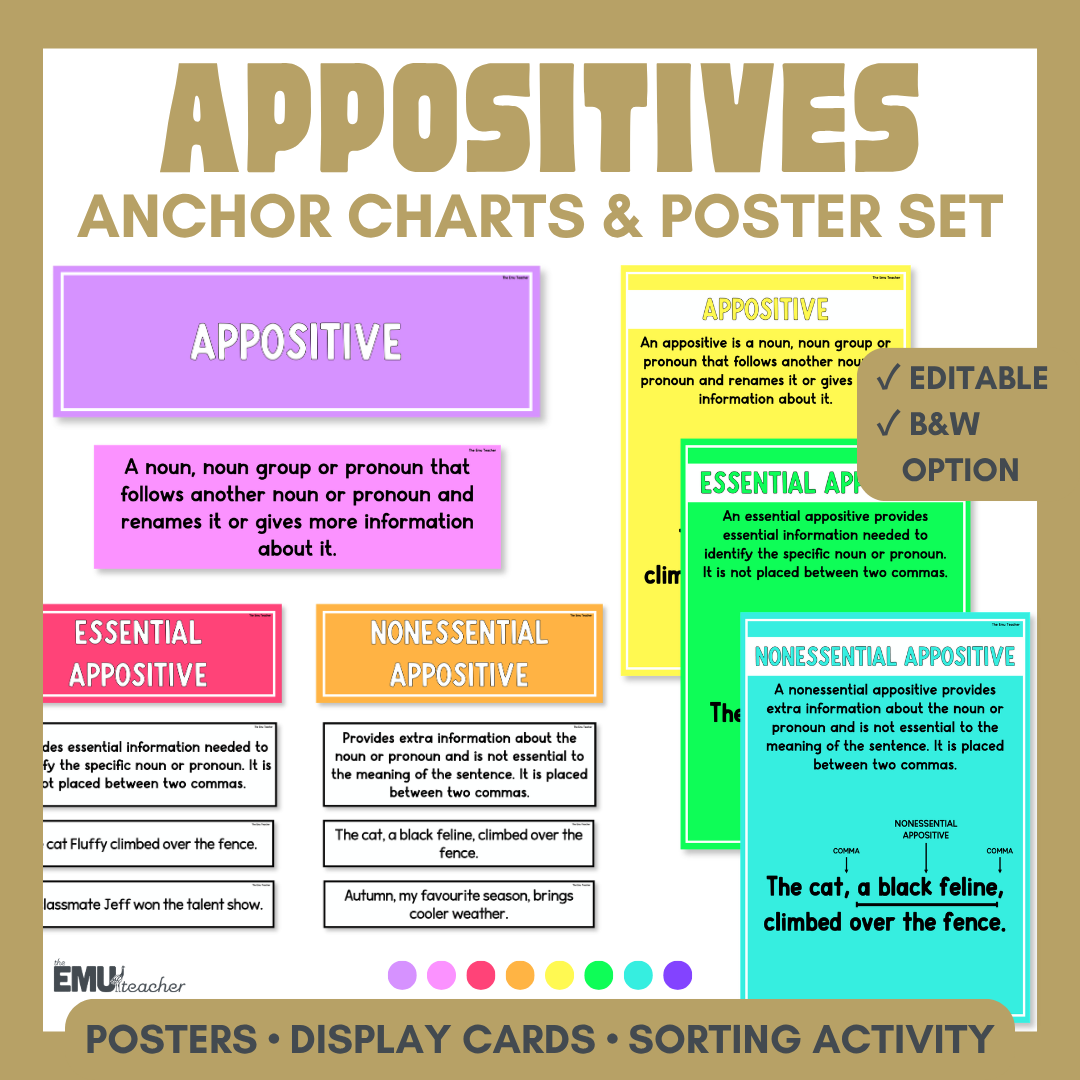
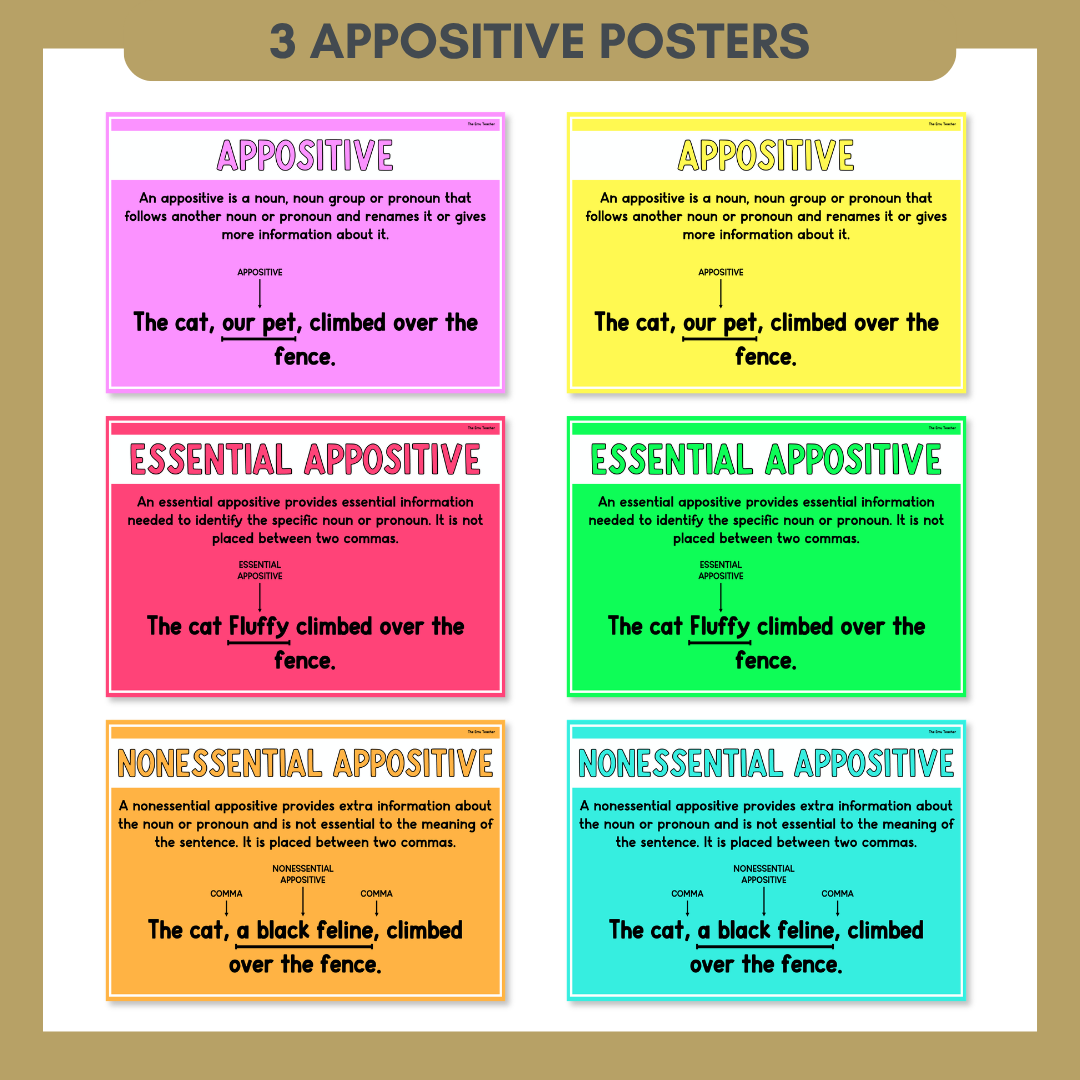
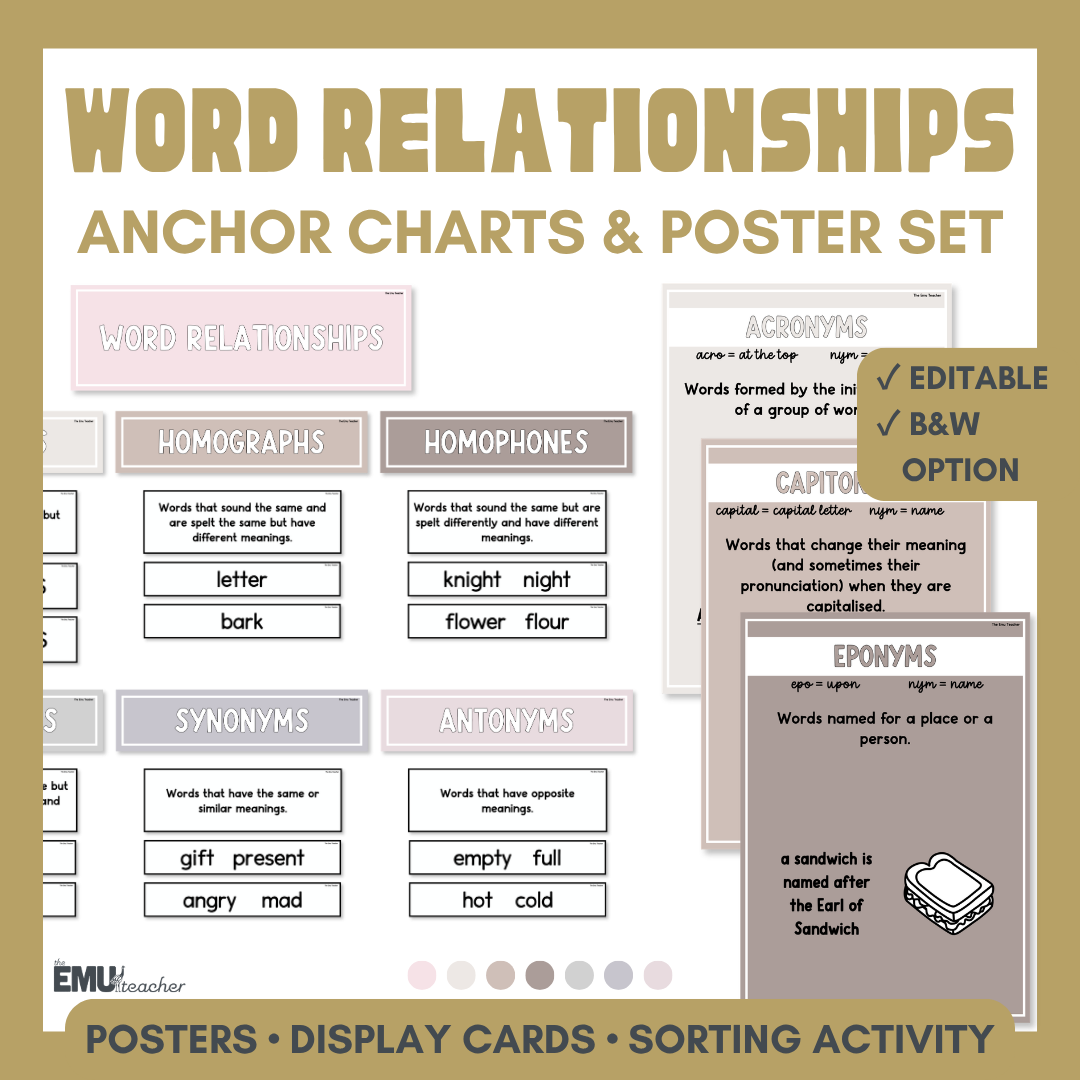
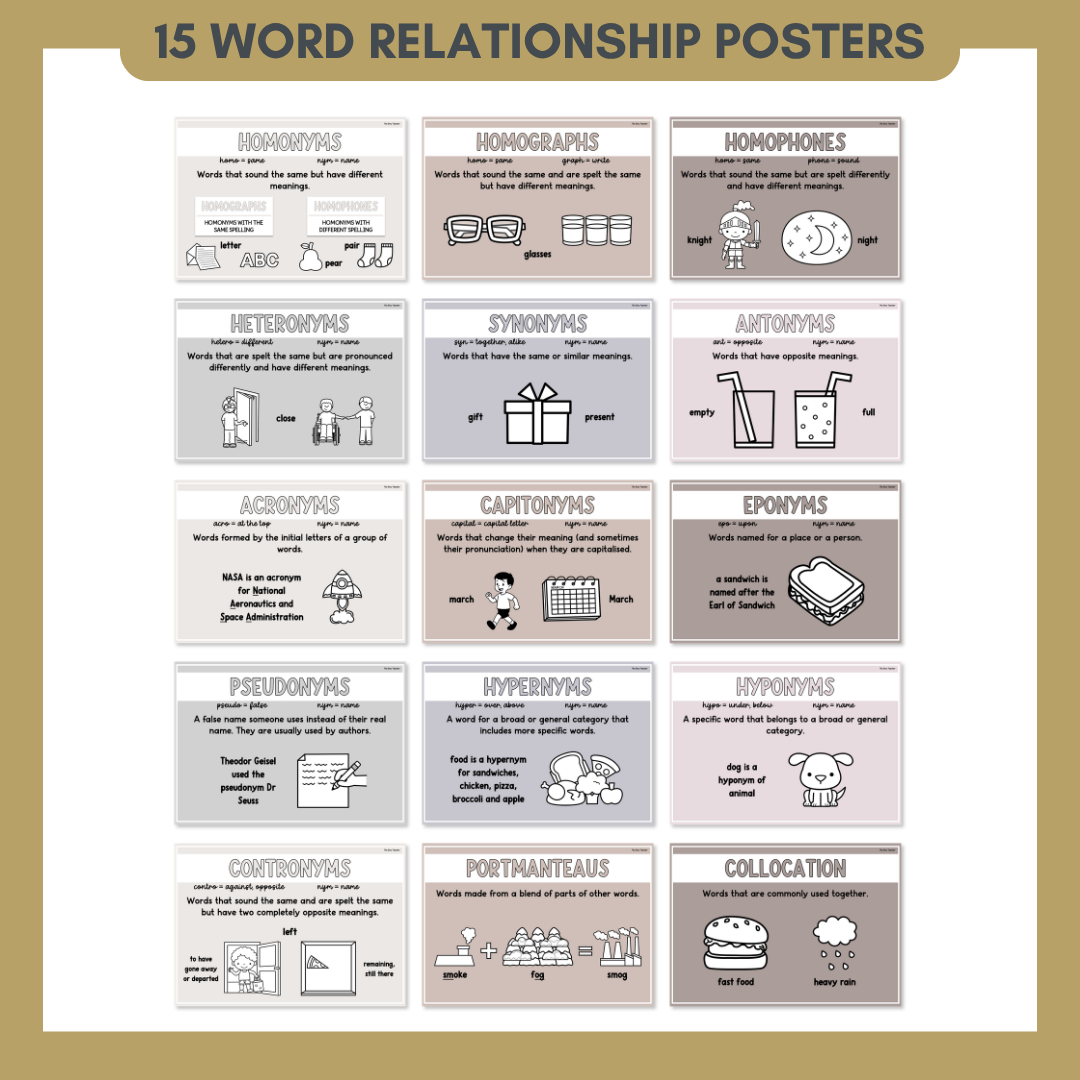
These Language Anchor Chart & Posters provide clear definitions, sentence examples, and key features to help students identify and apply six essential language concepts — fact, opinion, subjective language, objective language, bias, and unbiased language.
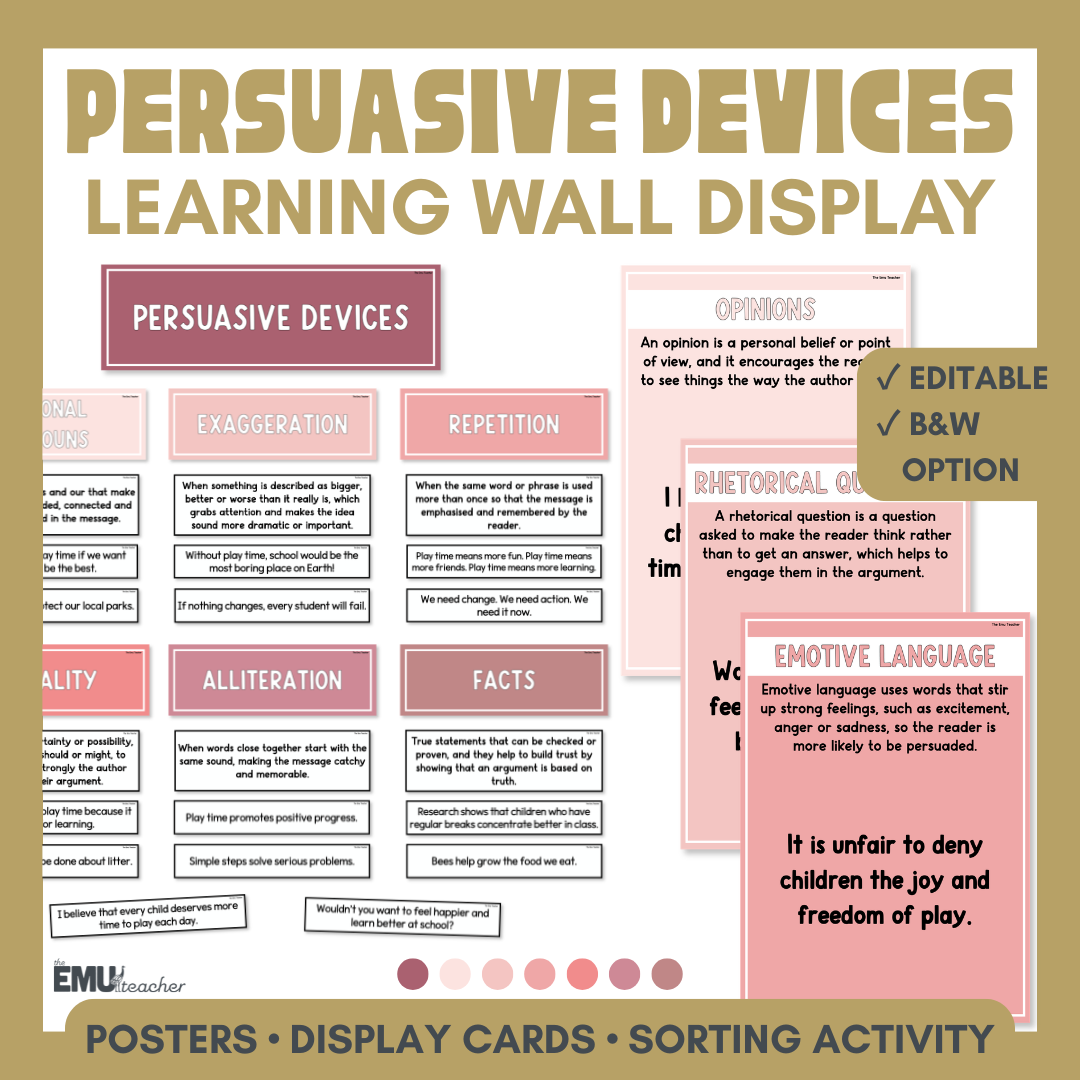
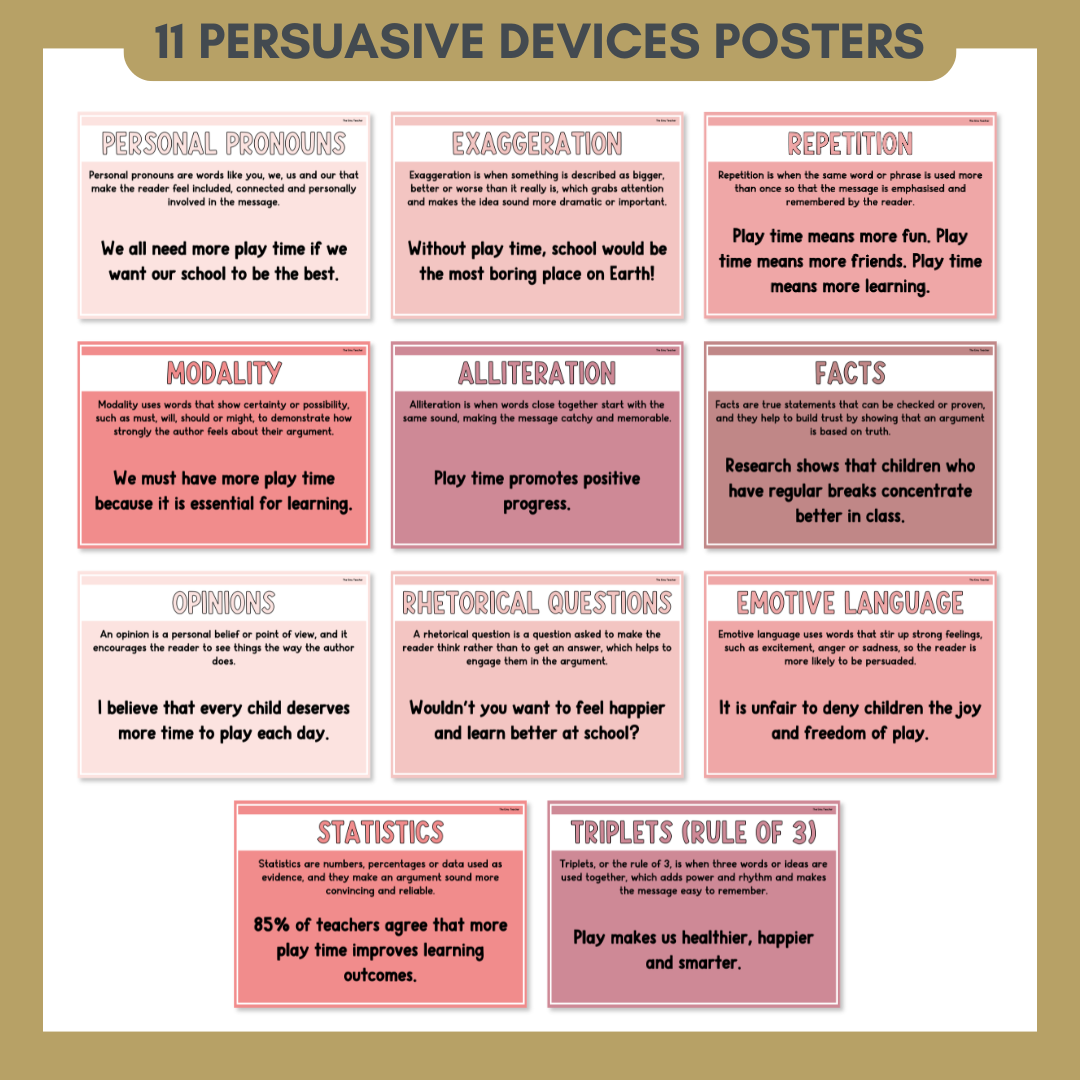
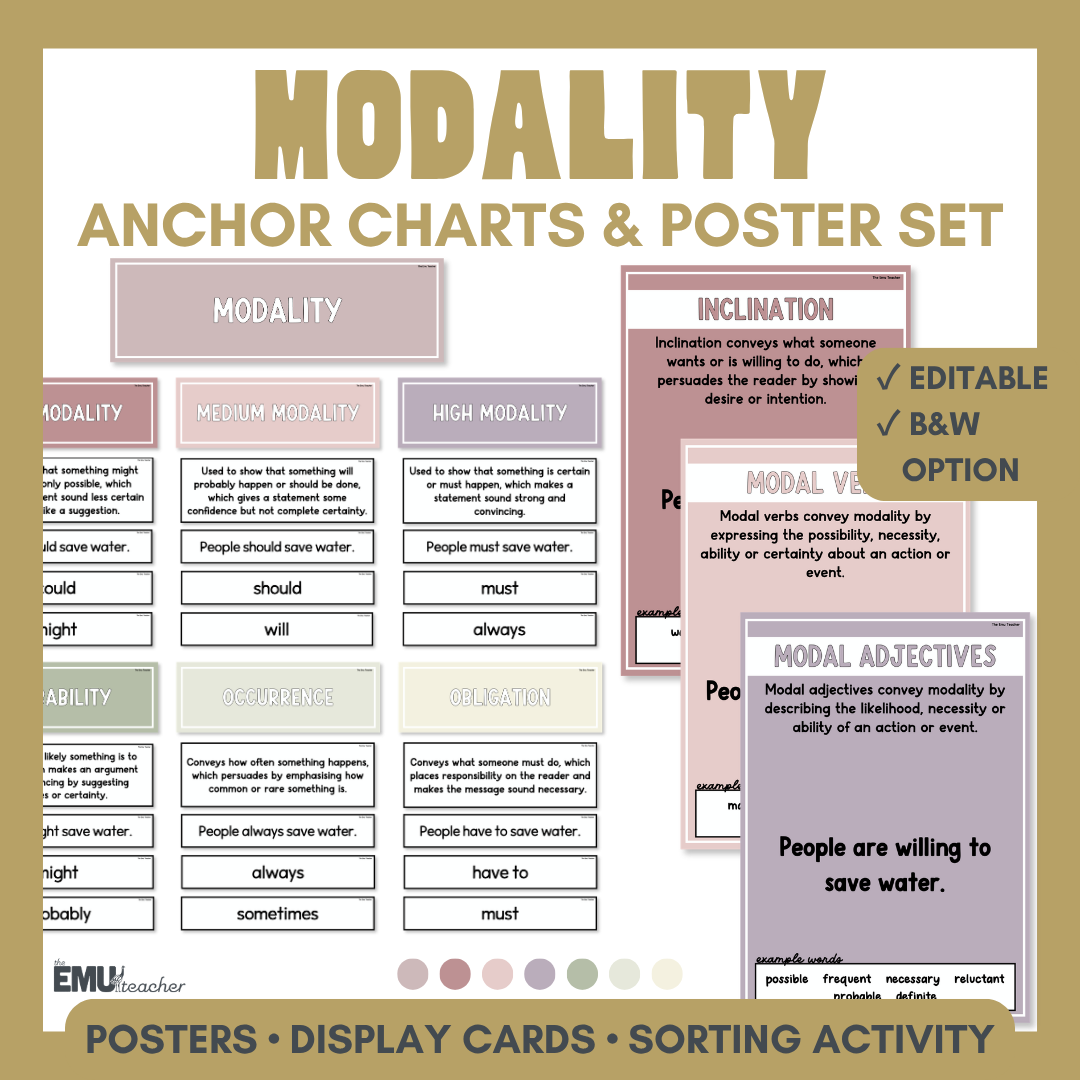
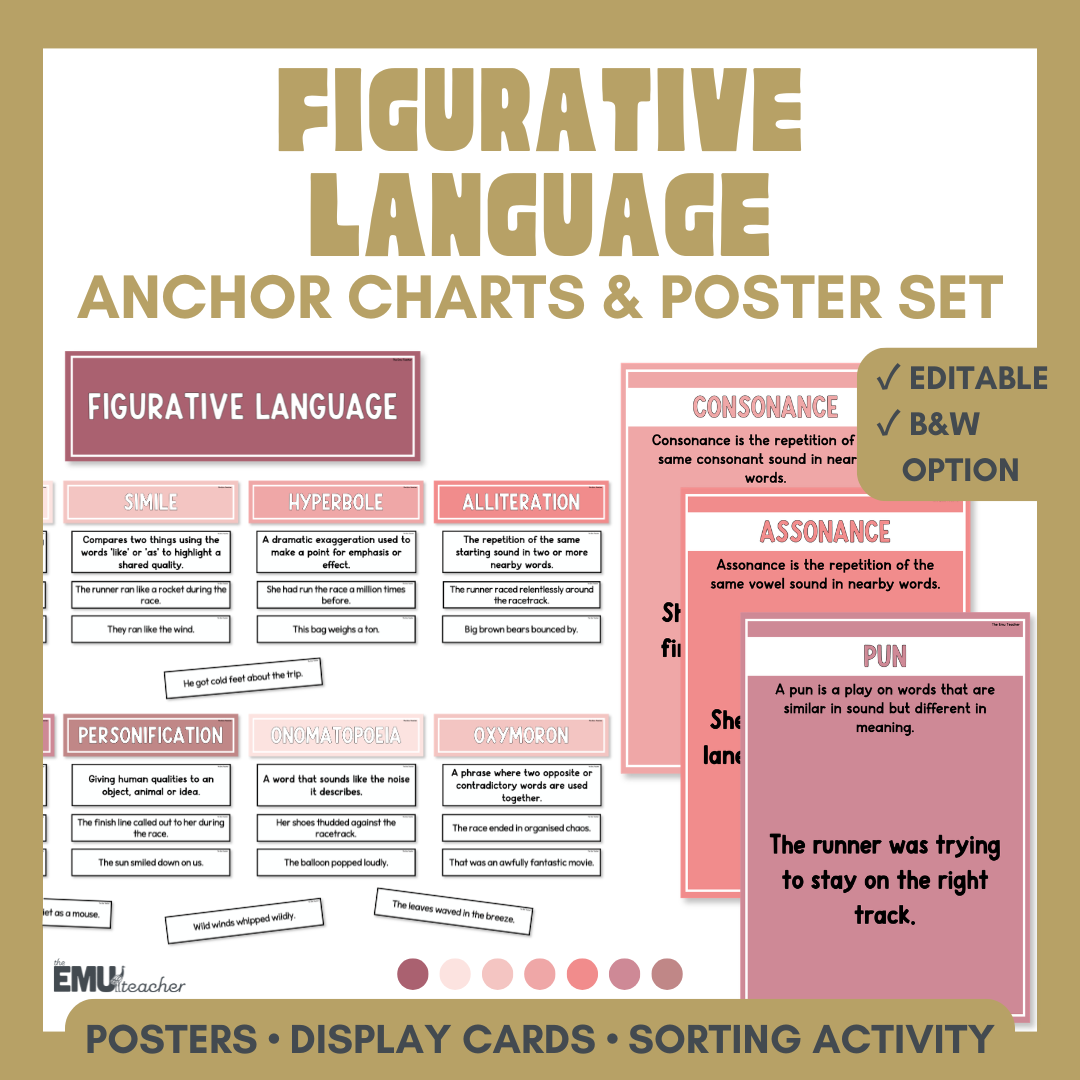
Perfect for persuasive writing lessons, reading comprehension instruction, and critical literacy support, this resource includes the anchor posters, display cards, cut-and-sort matching activities, and answer keys, giving students everything they need to recognise these language features and discuss how word choice shapes meaning as they read and write.
WHAT'S INCLUDED:
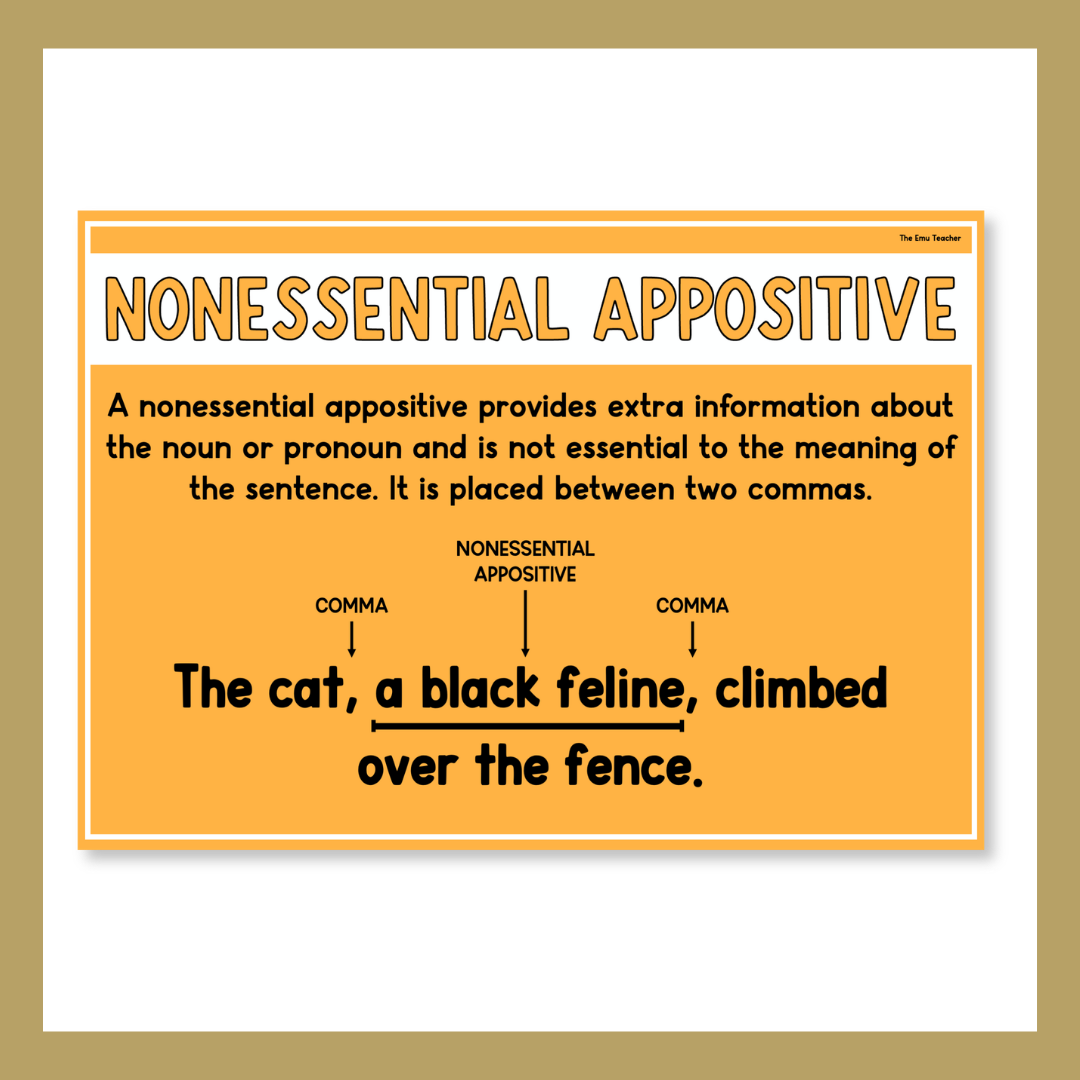
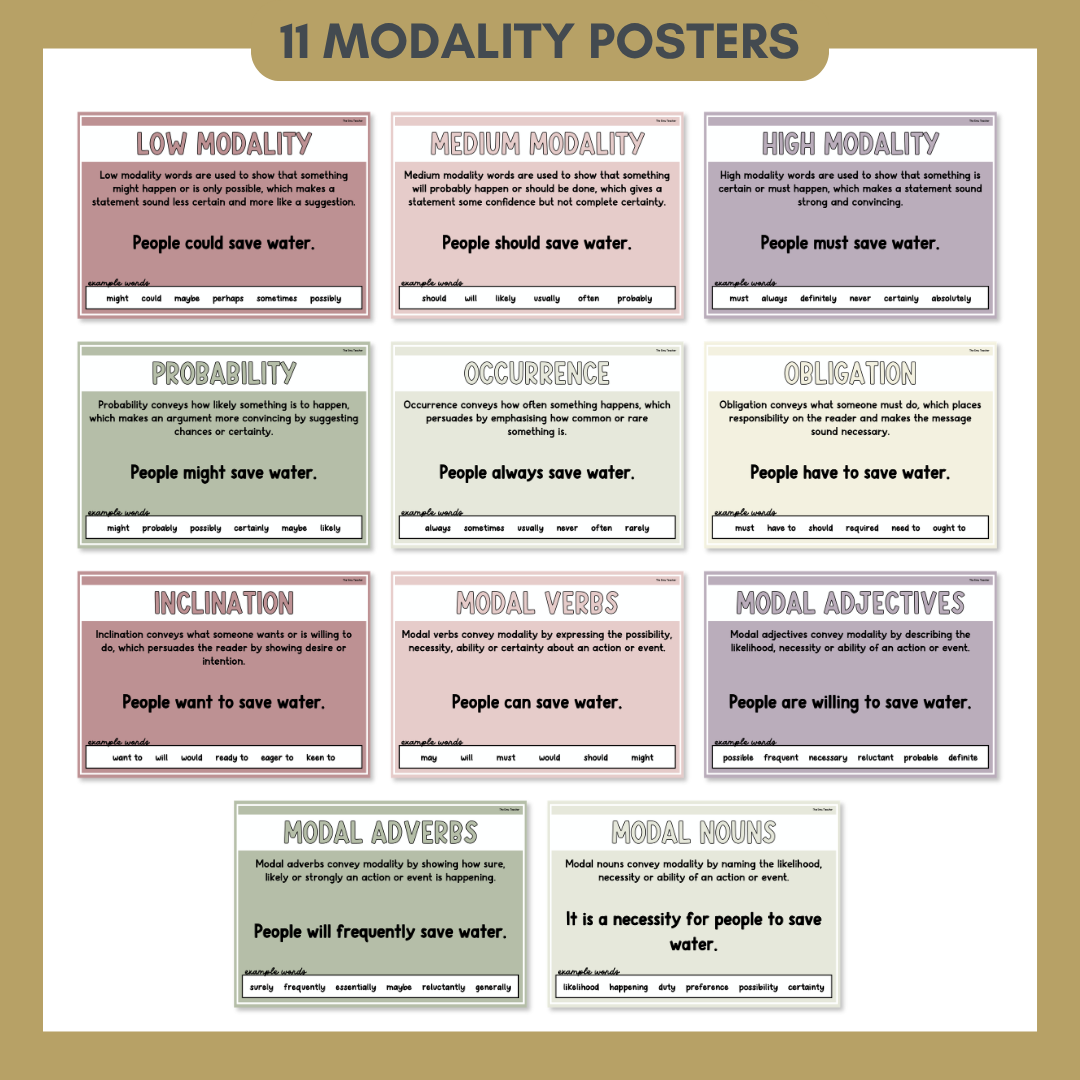
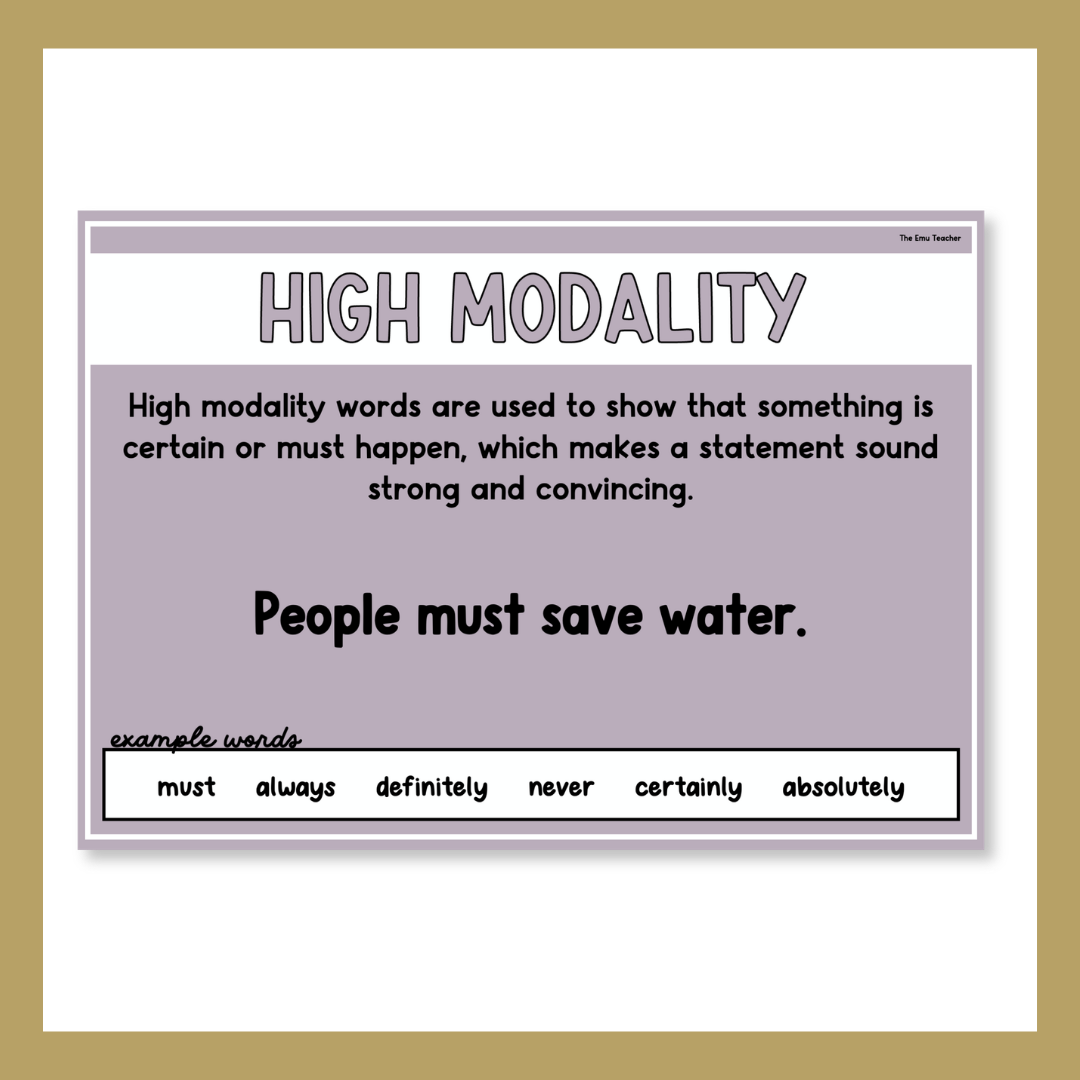
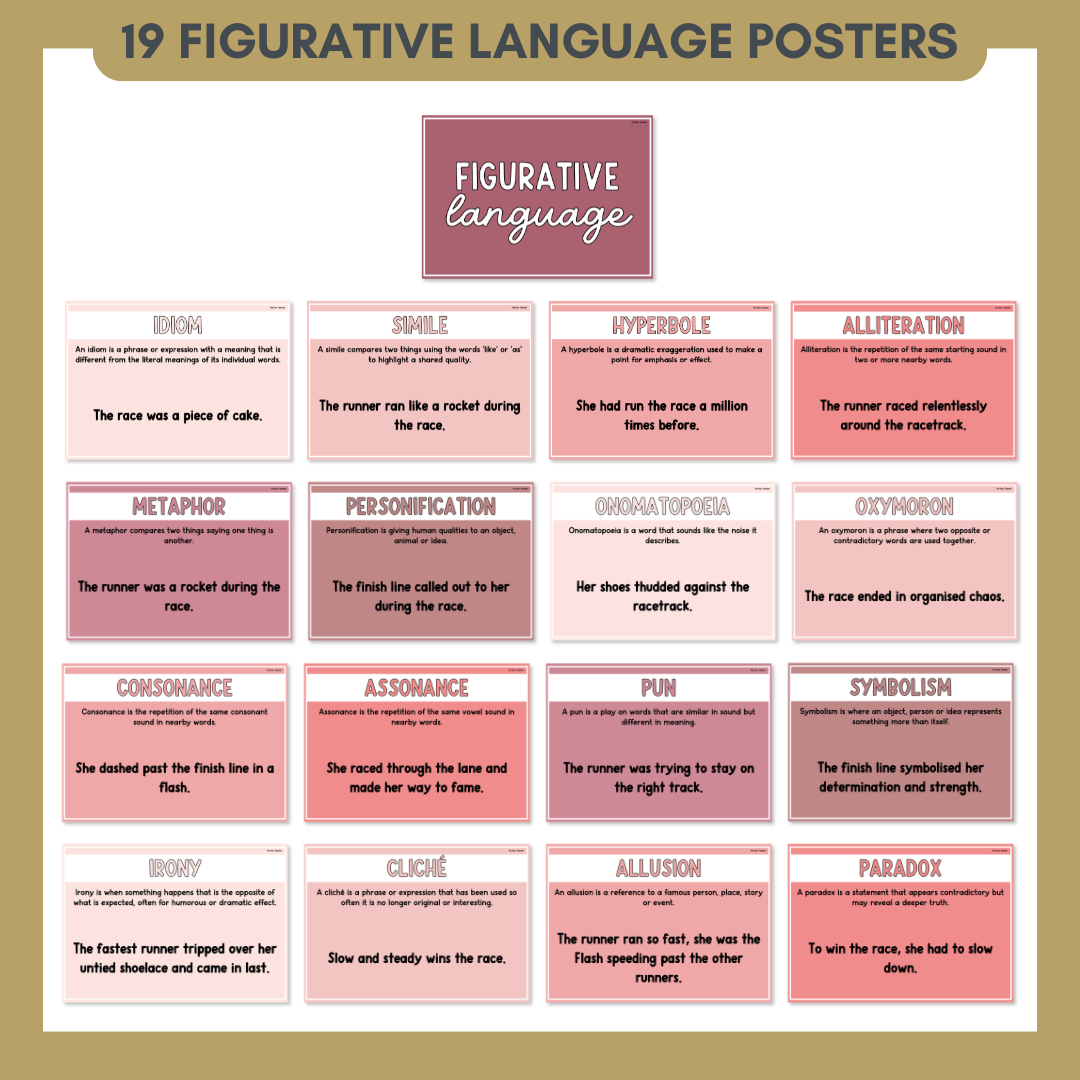
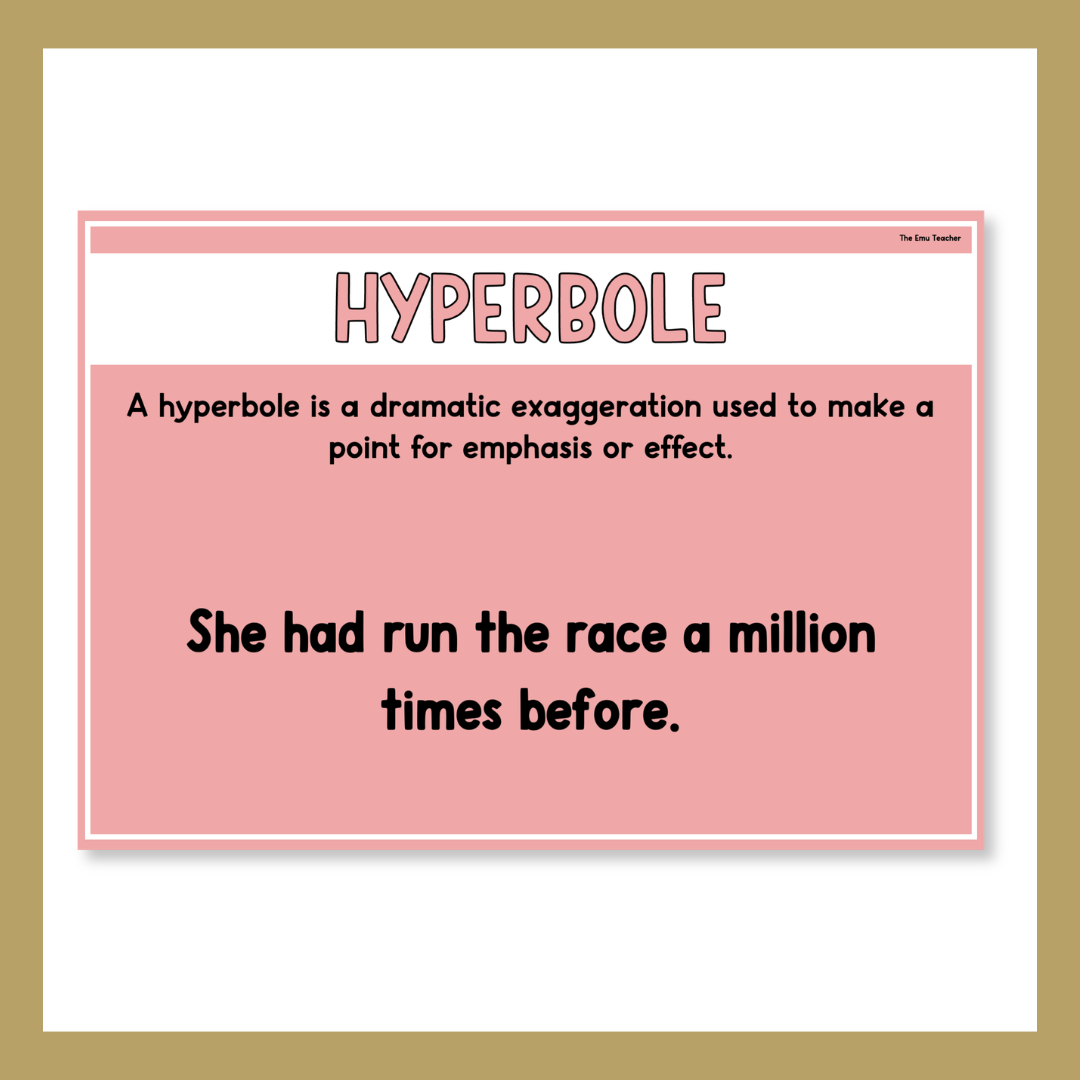
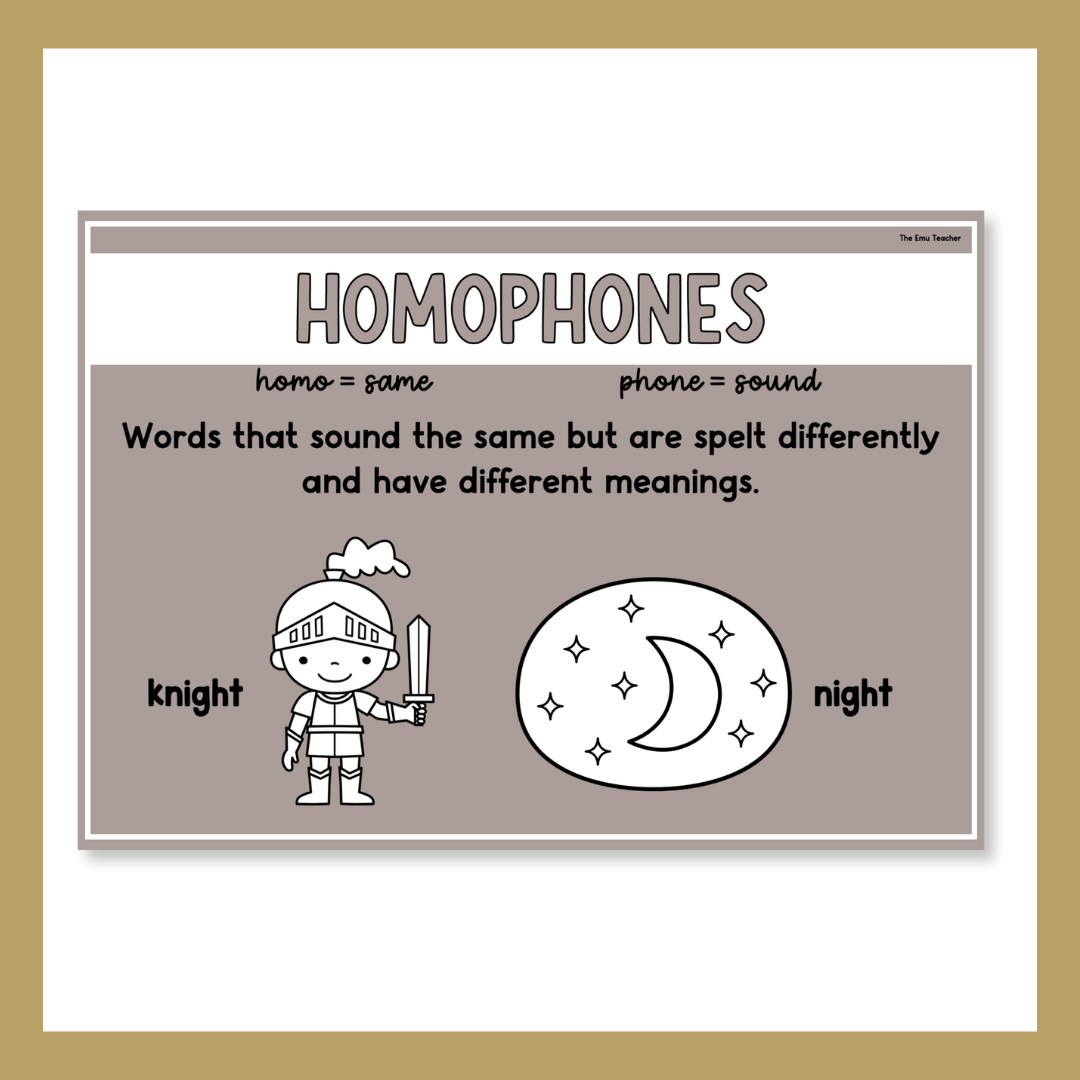
𓅦 Language Posters & Display Cards
Fact
Opinion
Objective Language
Subjective Language
Bias
Unbiased Language
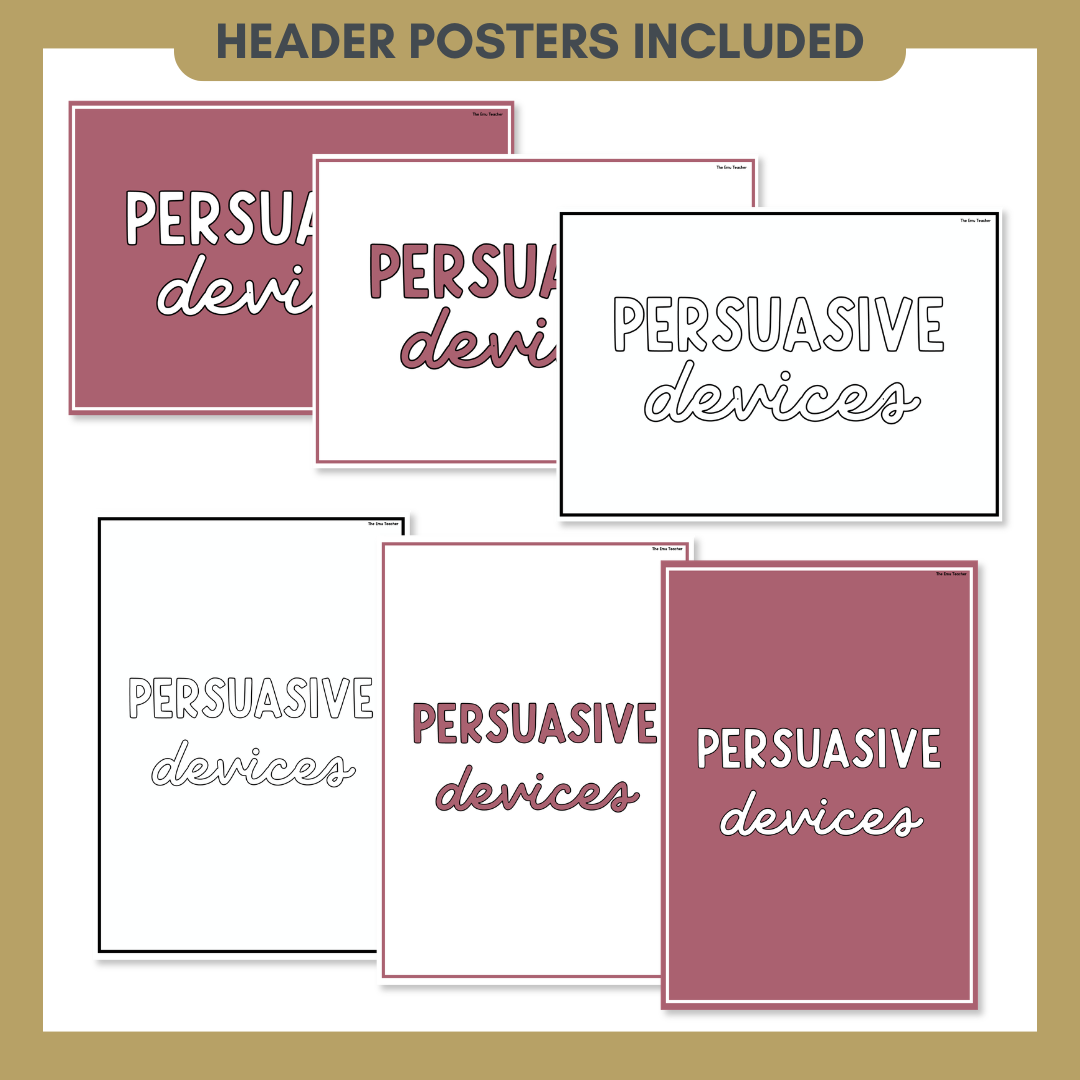
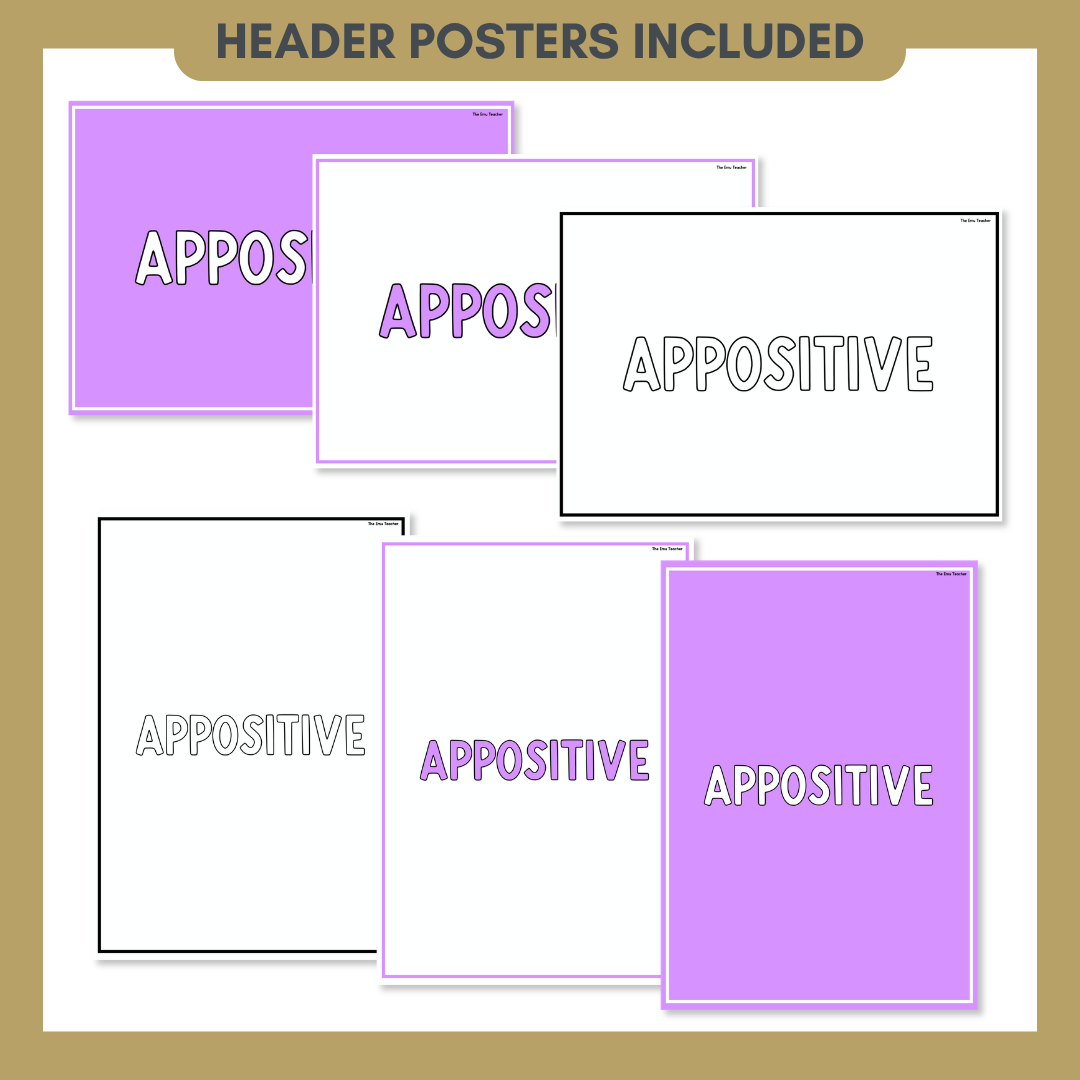
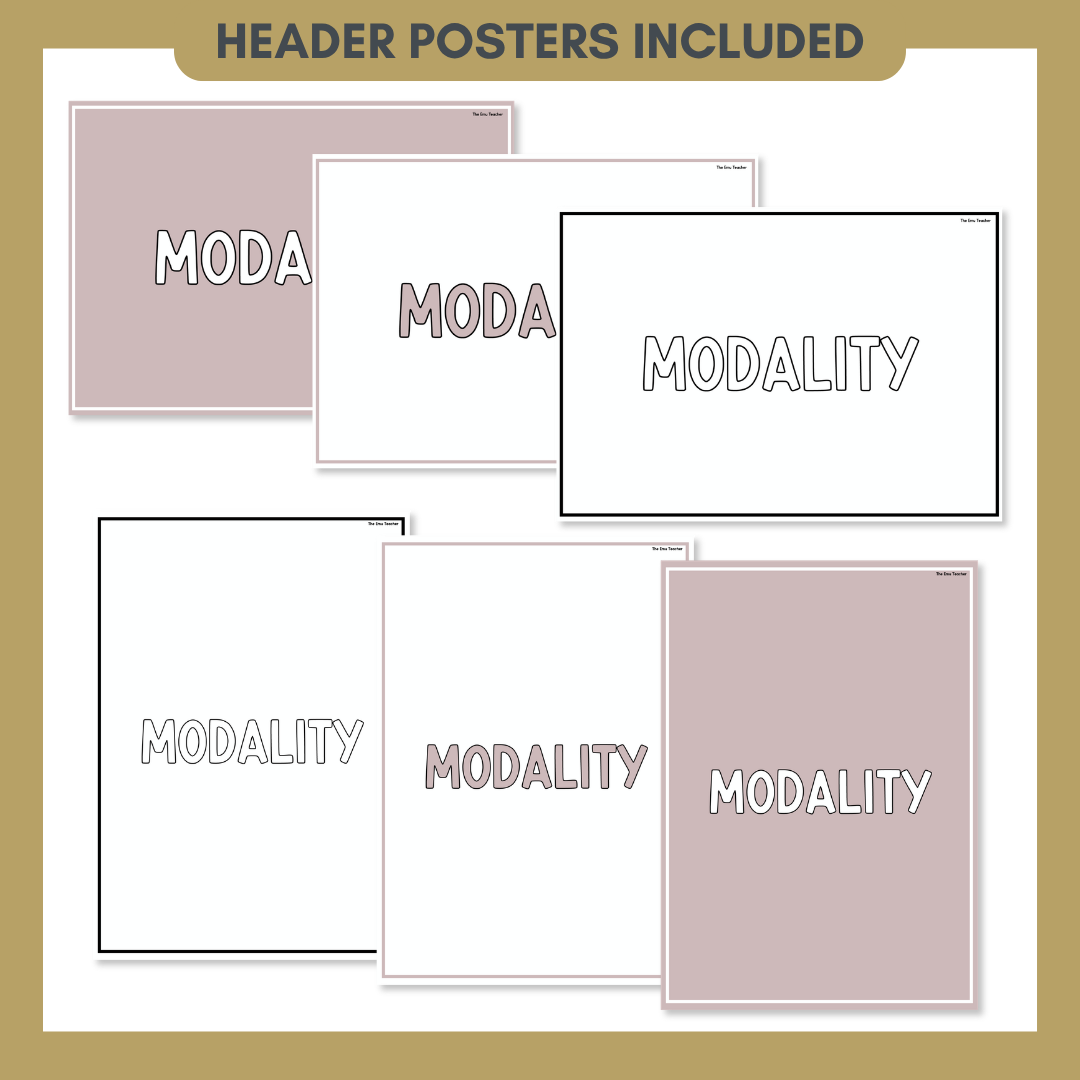
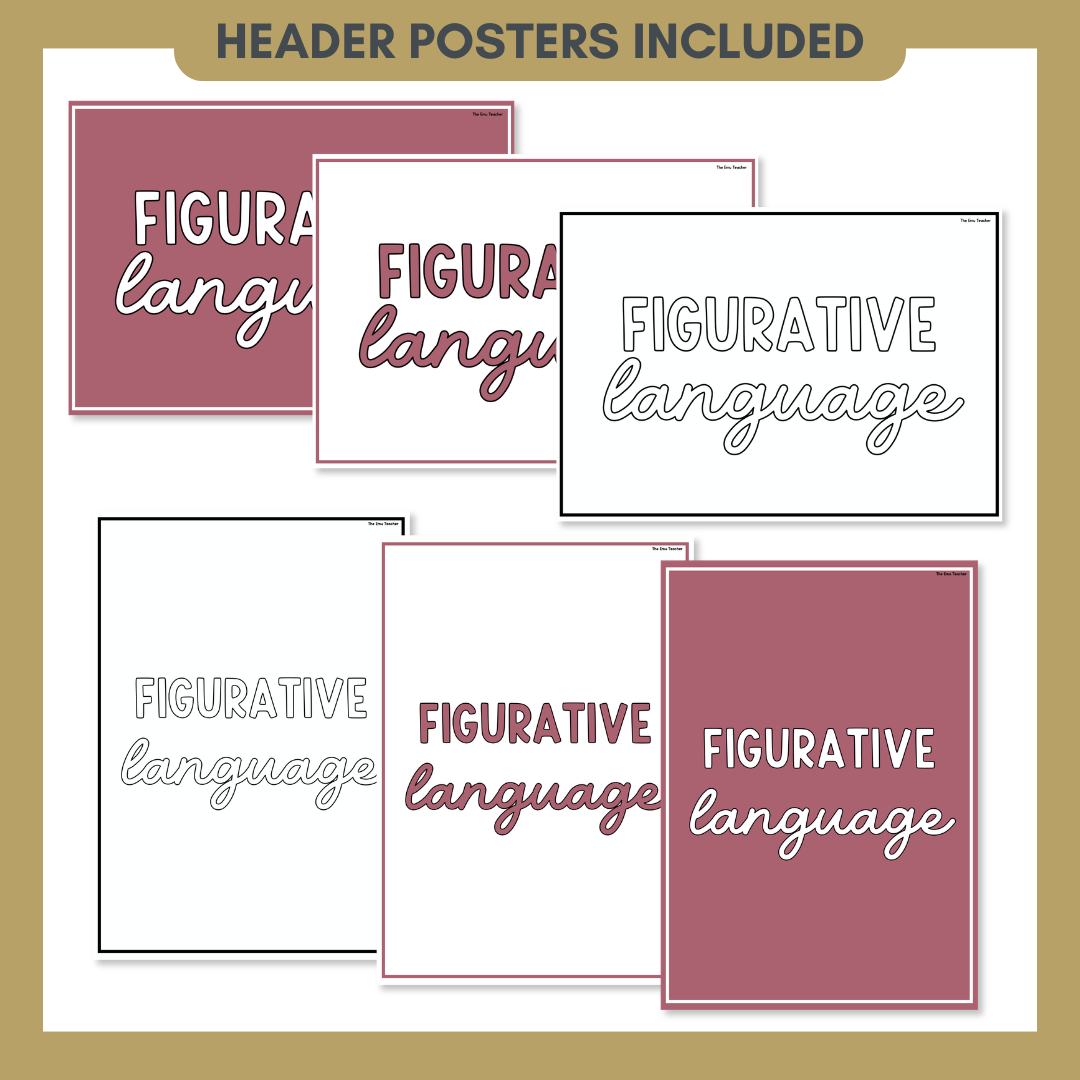
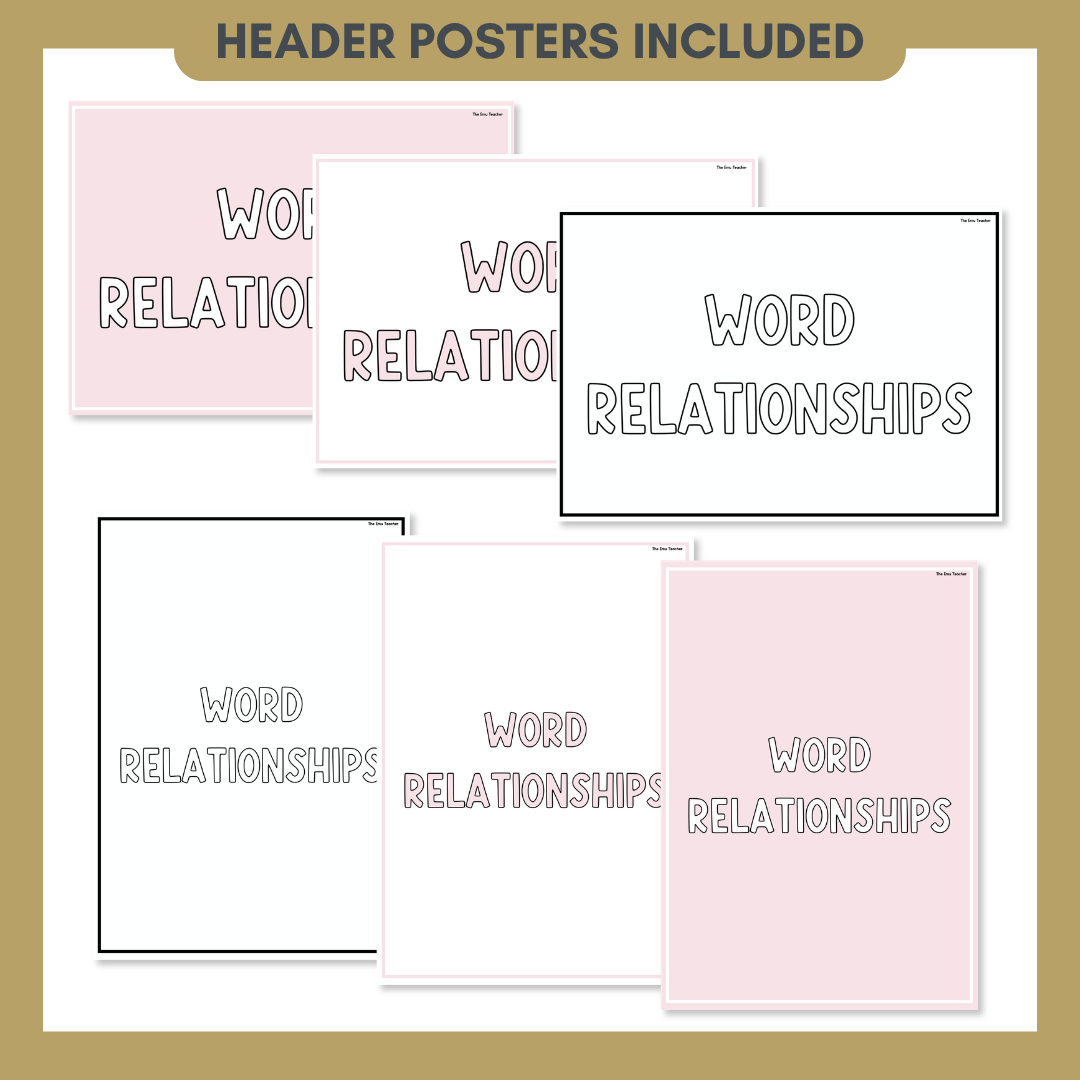
𓅦 Header Posters
𓅦 Blank Display Card Option
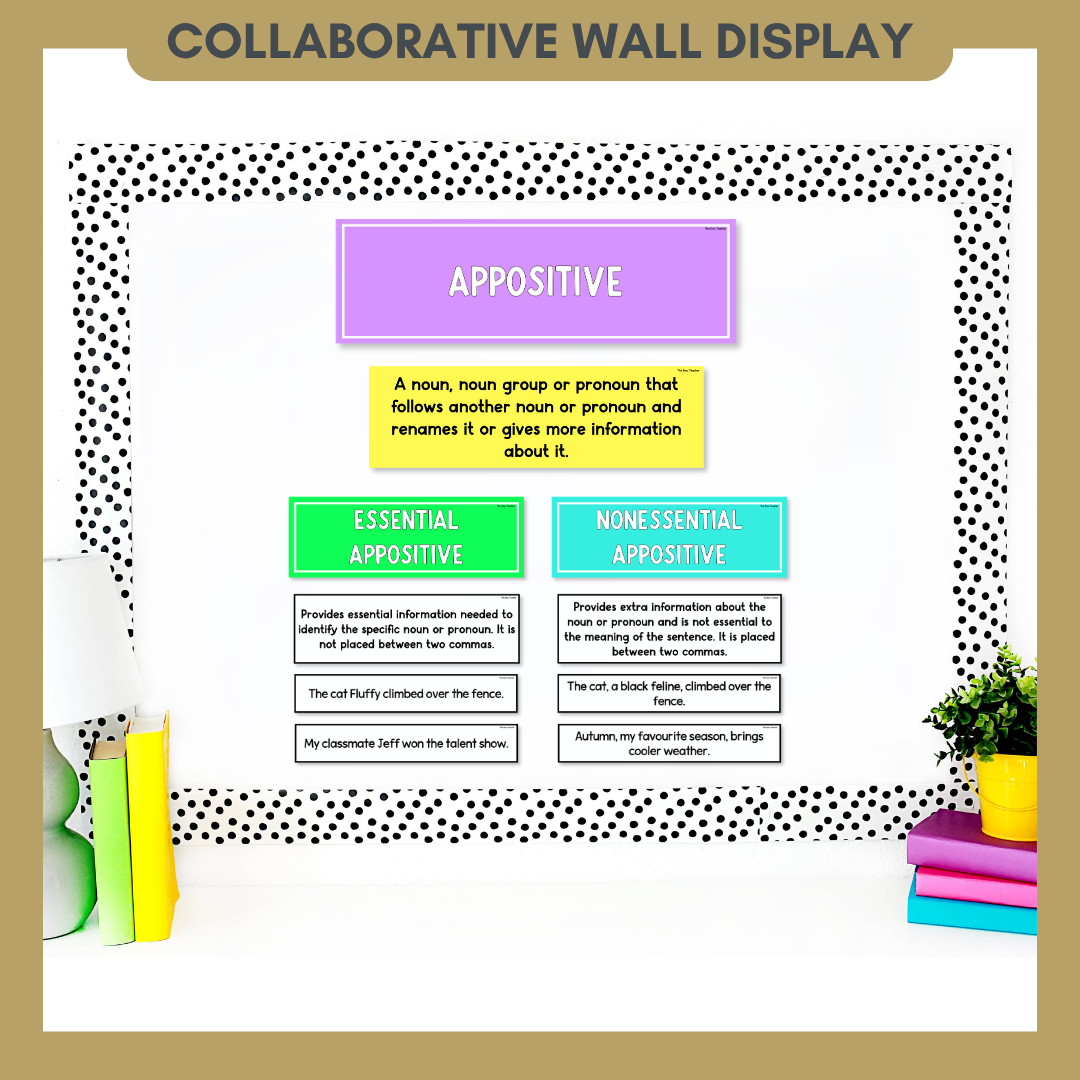
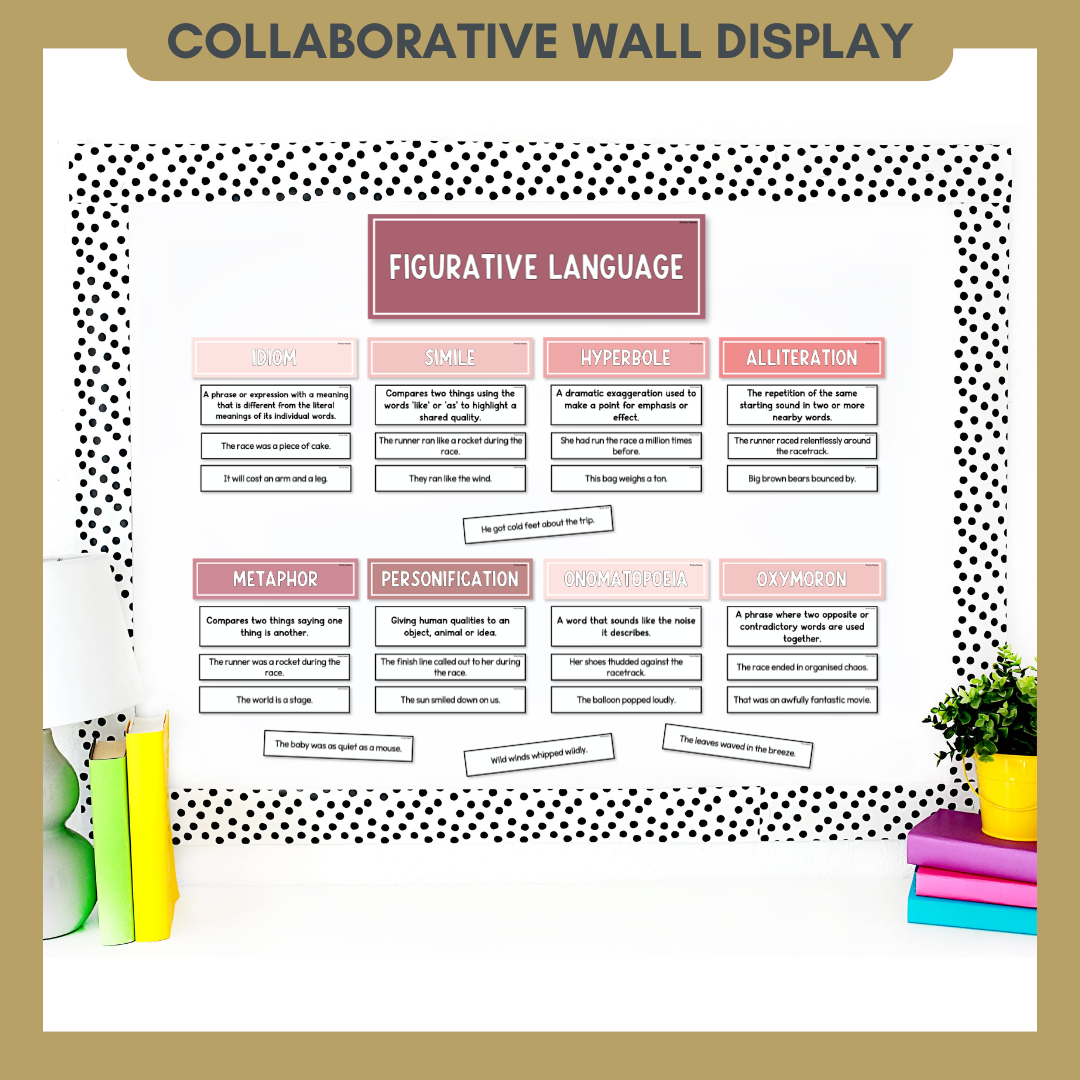
Create student-generated definitions, examples, and key features
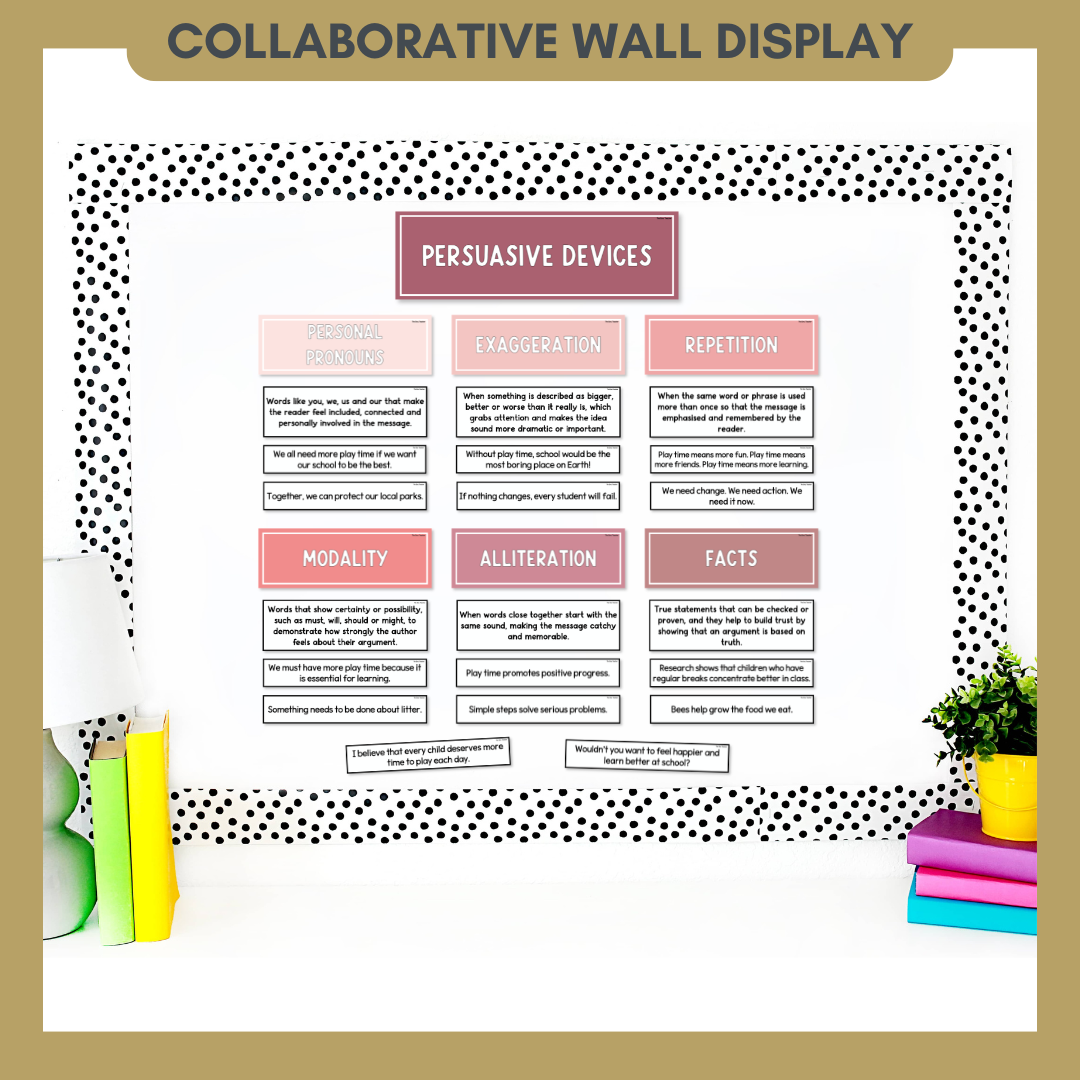
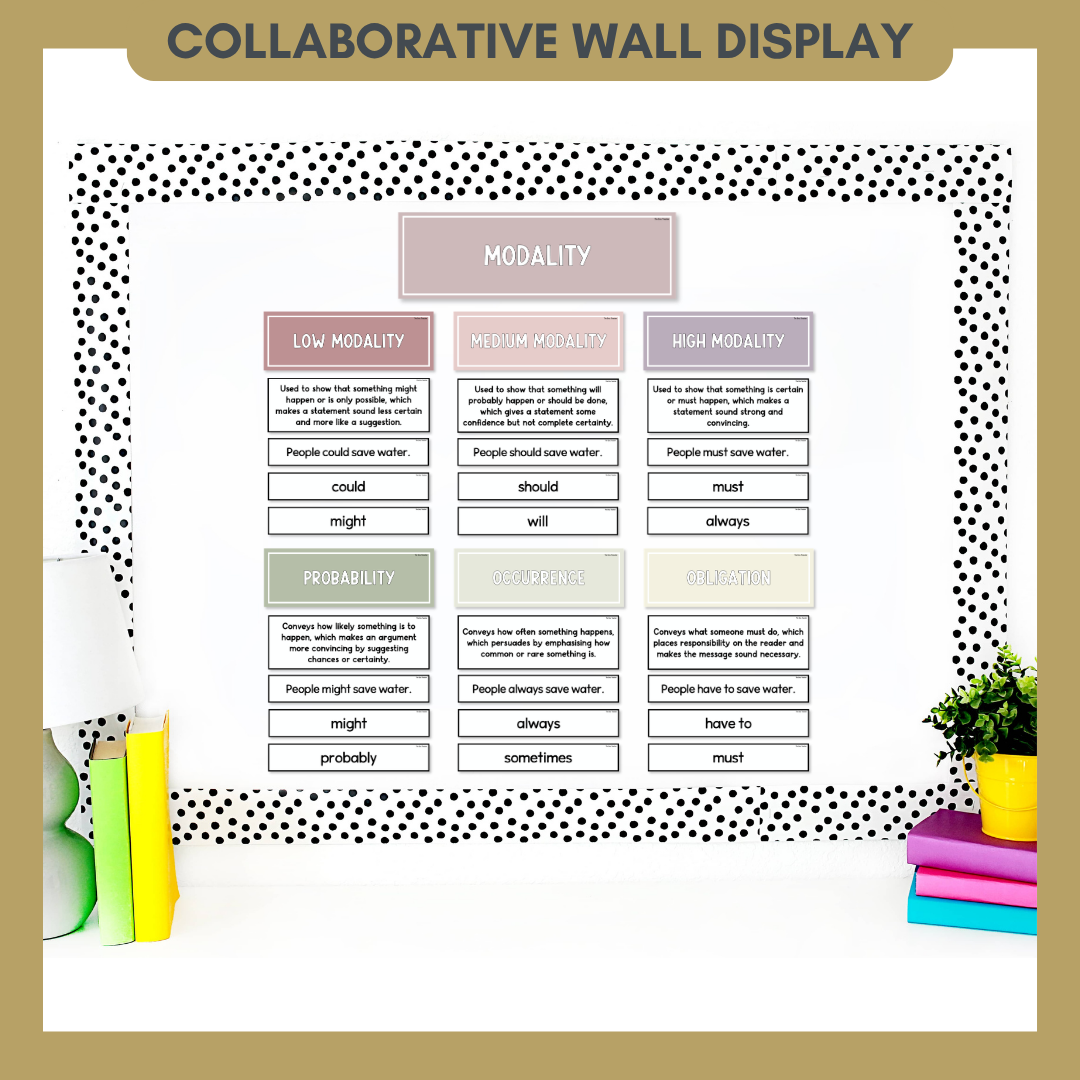
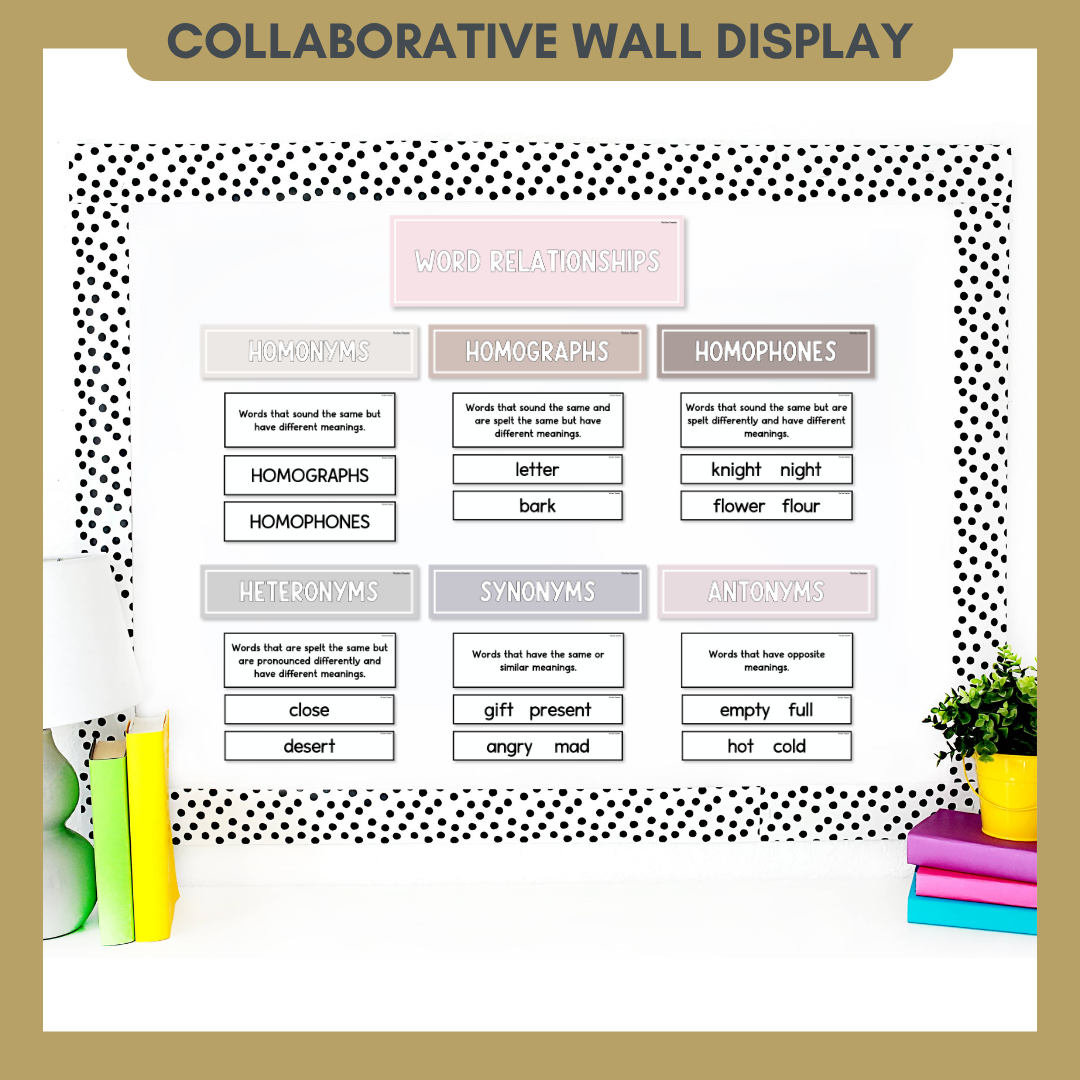
Co-construct learning wall with your class
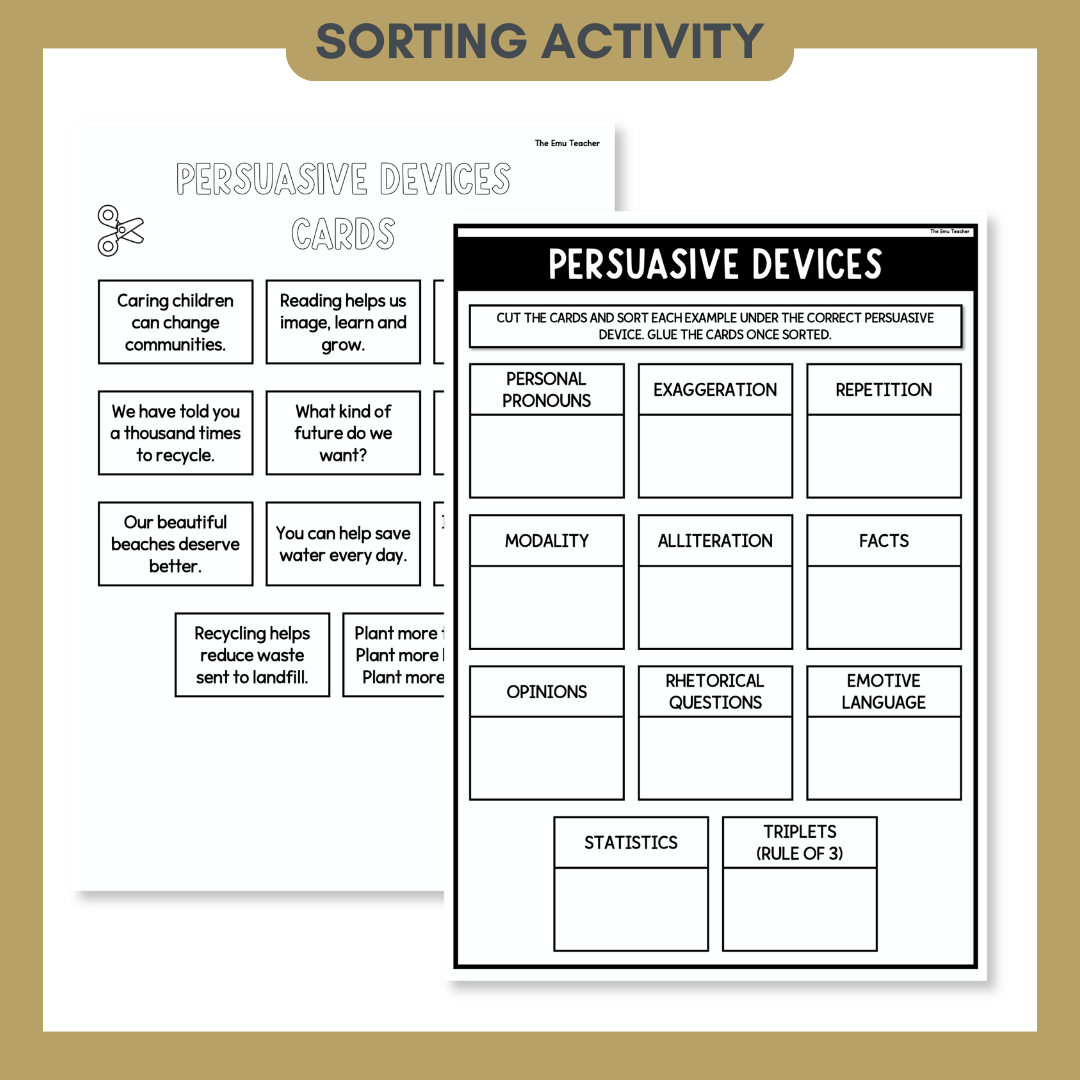
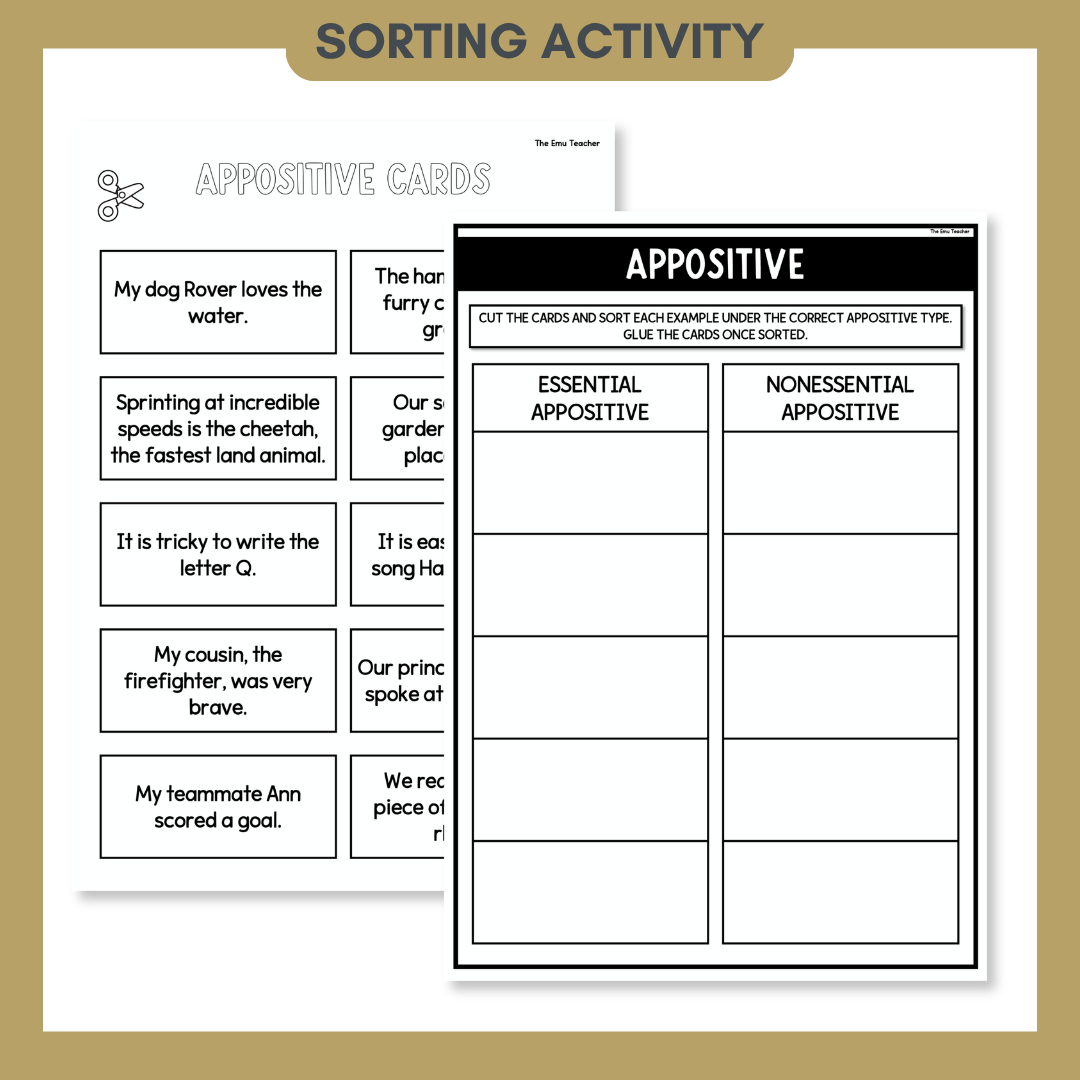
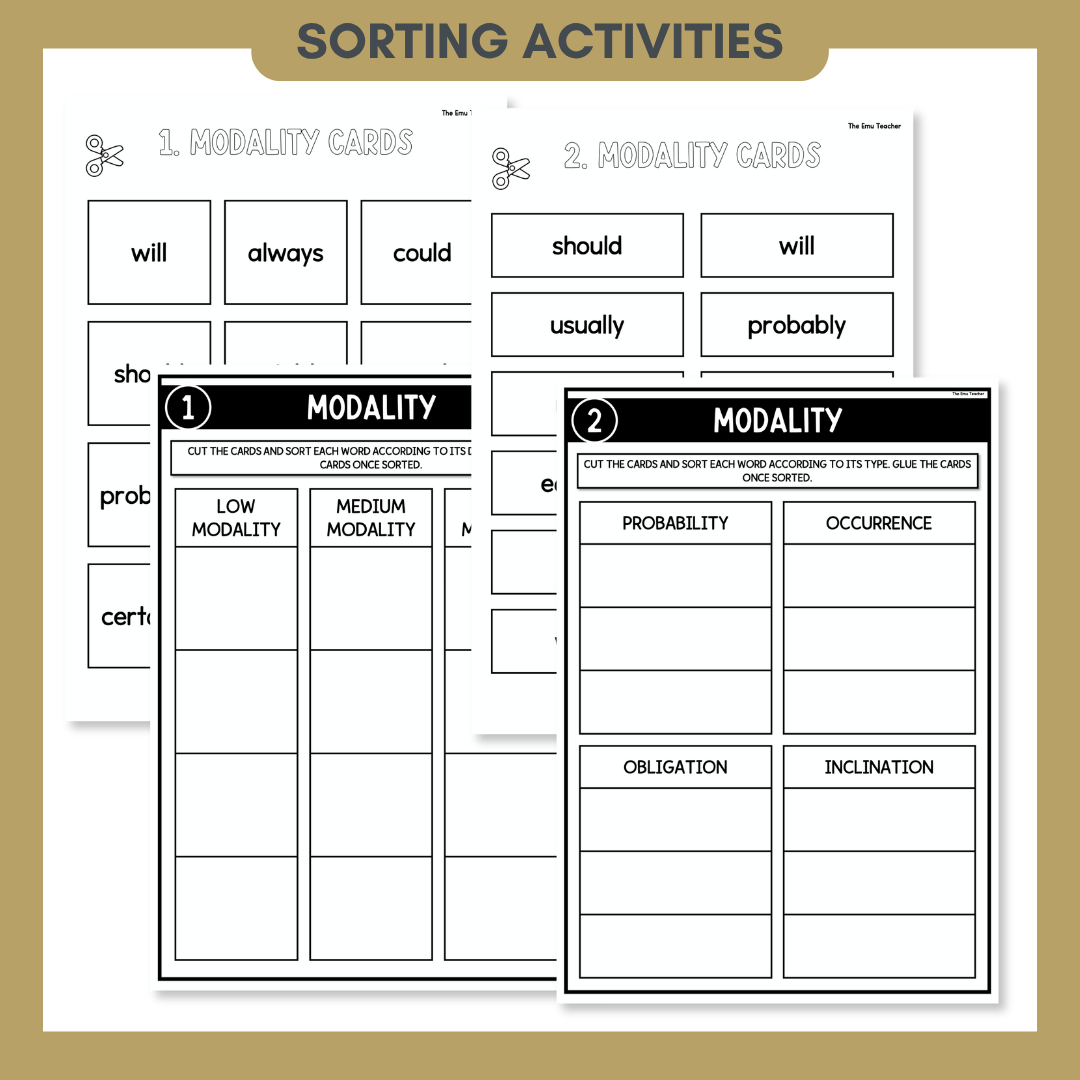
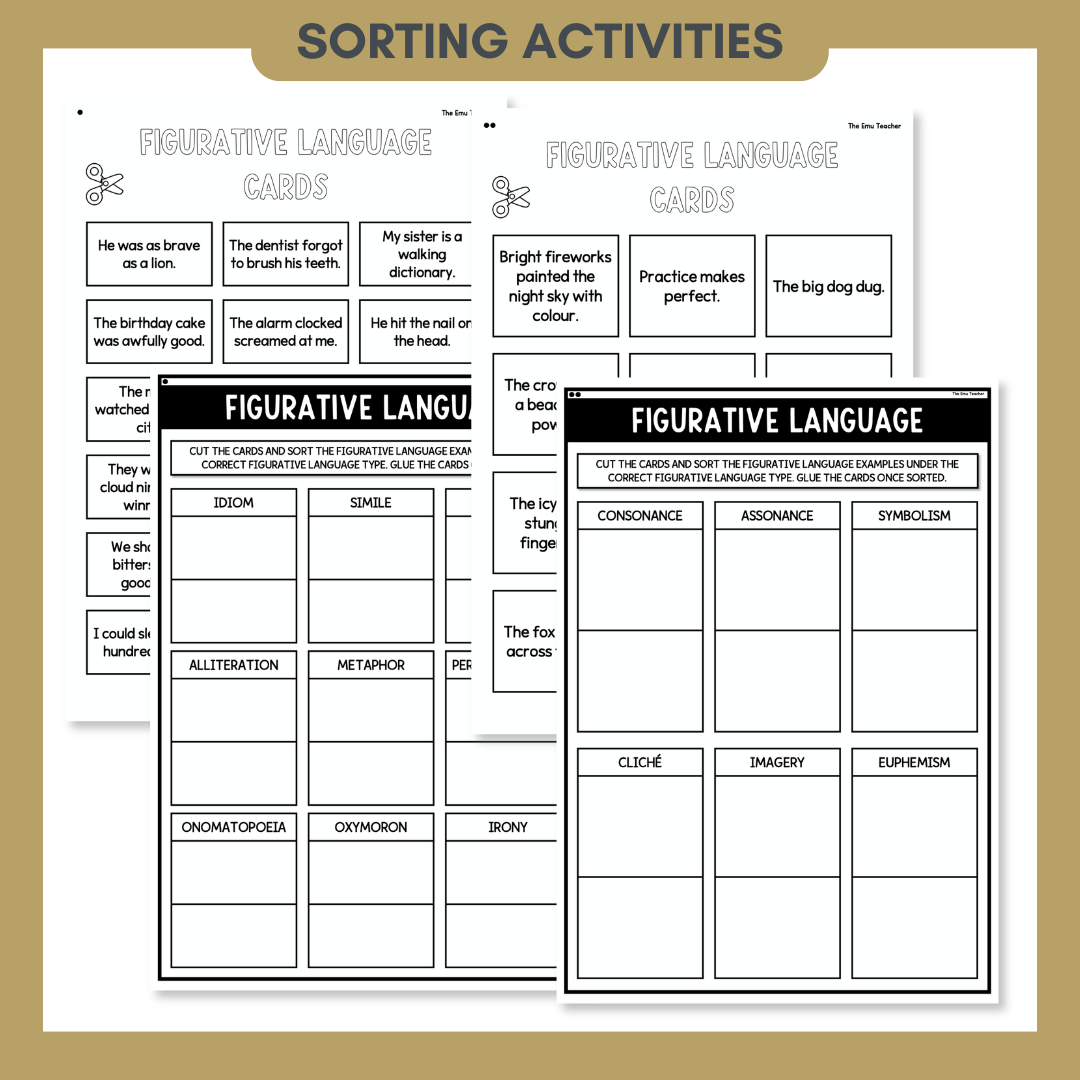
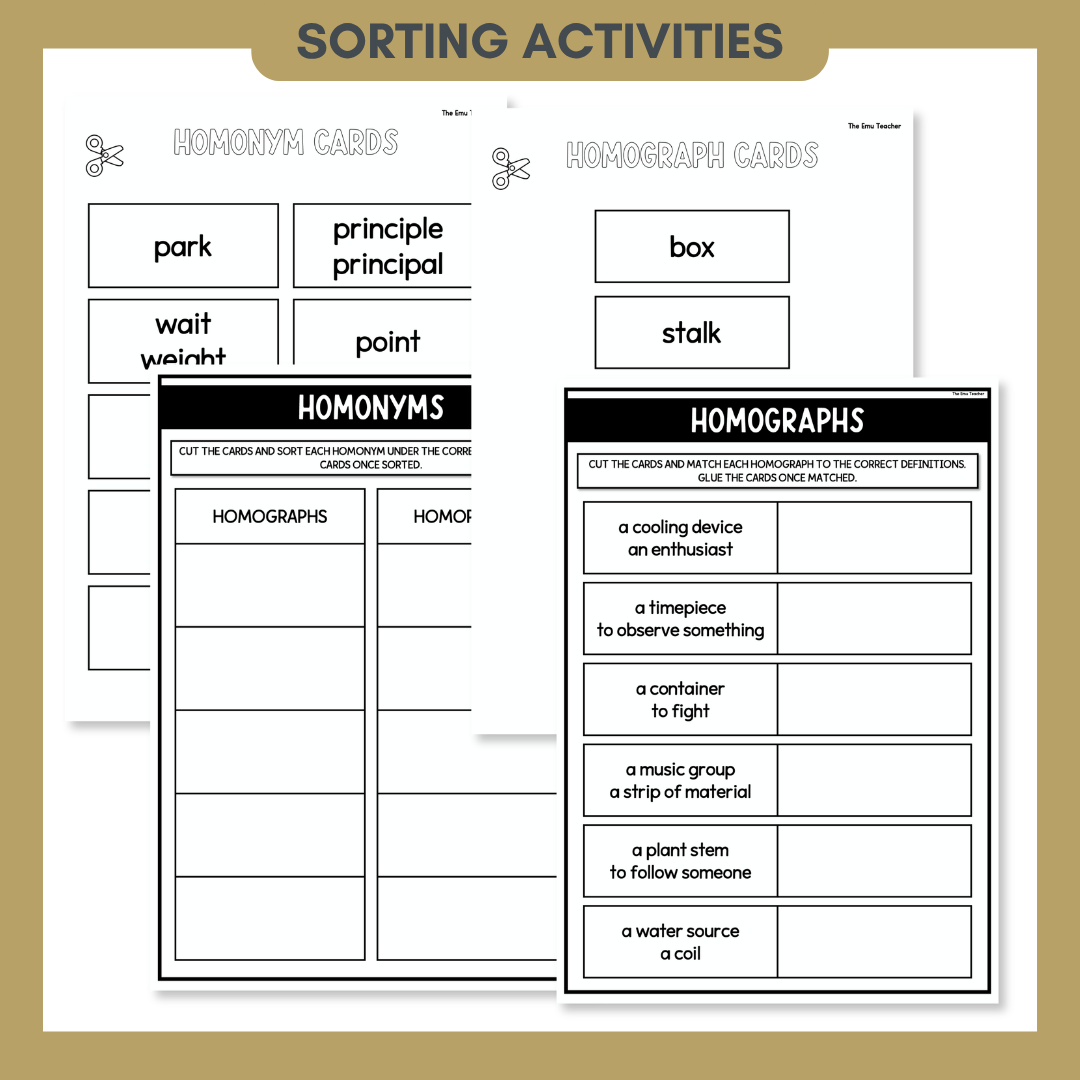
𓅦 Sort Activity
𓅦 2 Spelling Options
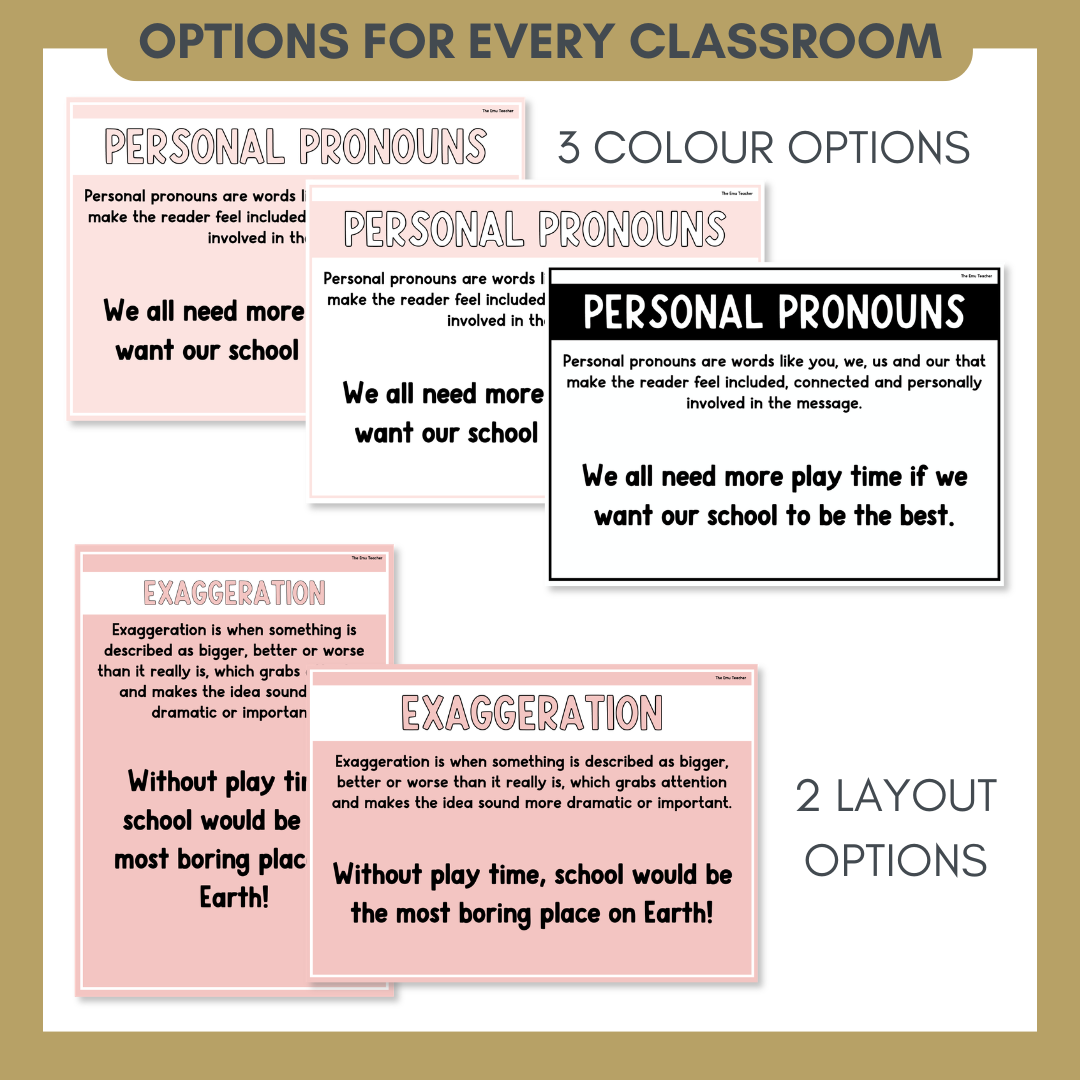
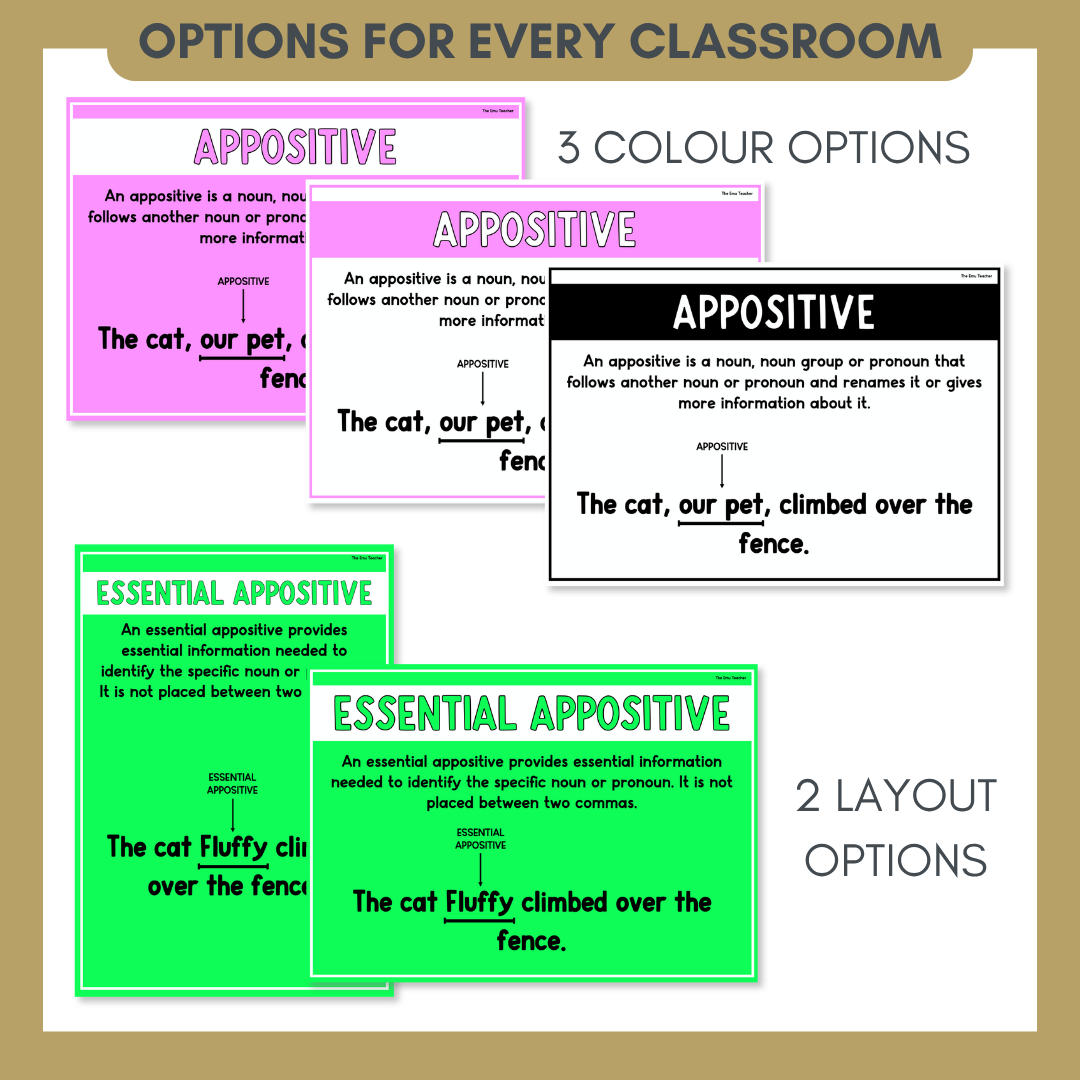
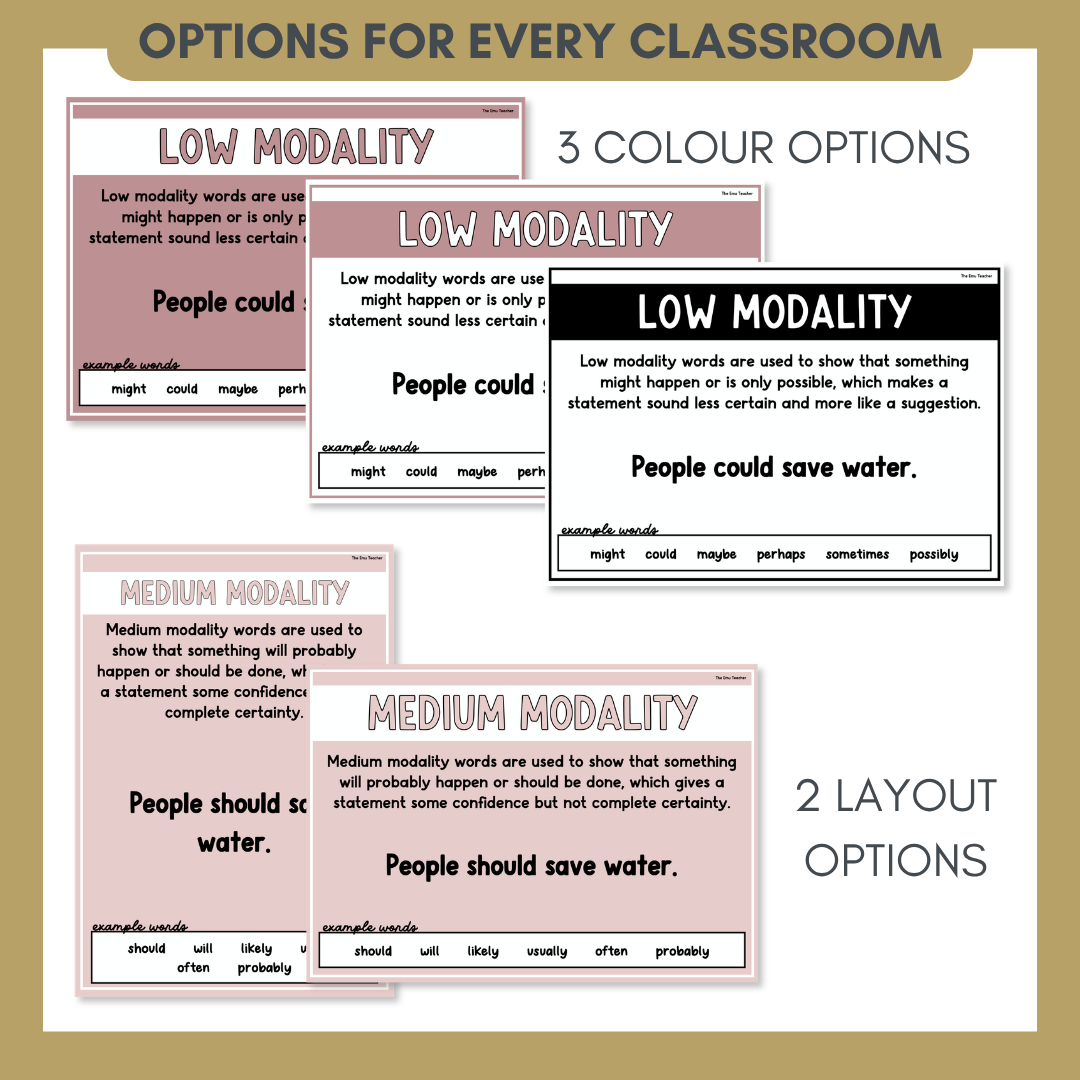
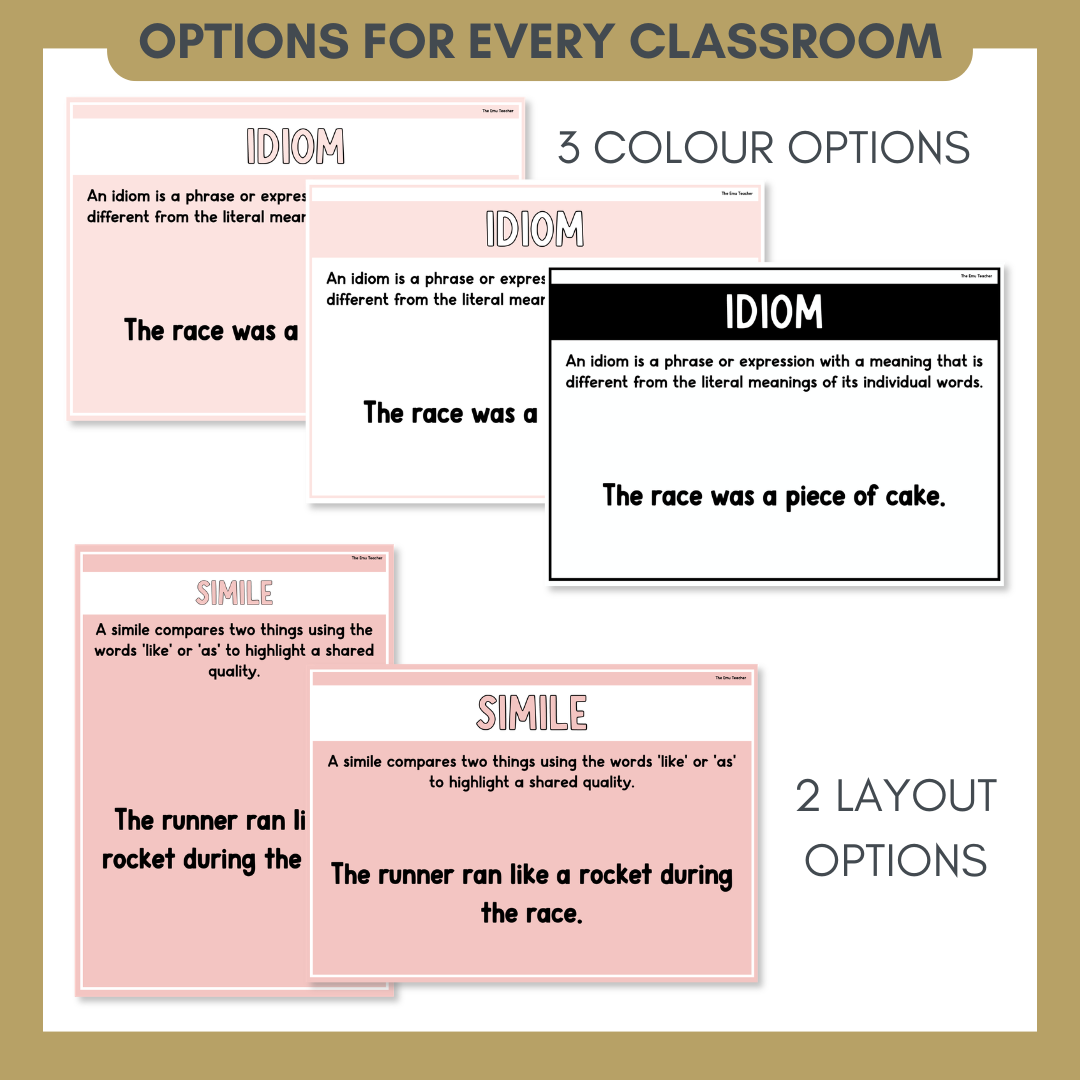
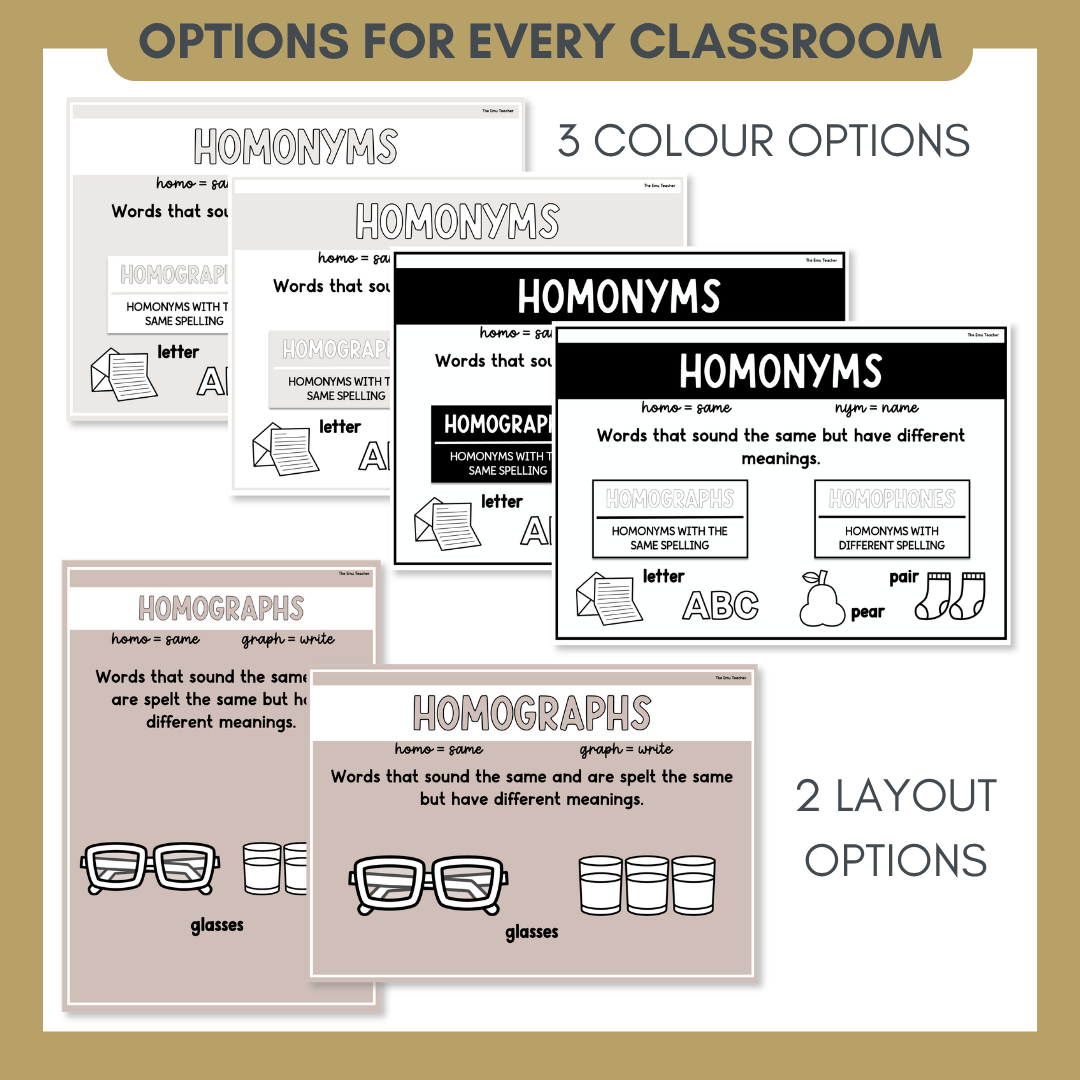
𓅦 3 Colour Options
𓅦 2 Poster Orientation Options
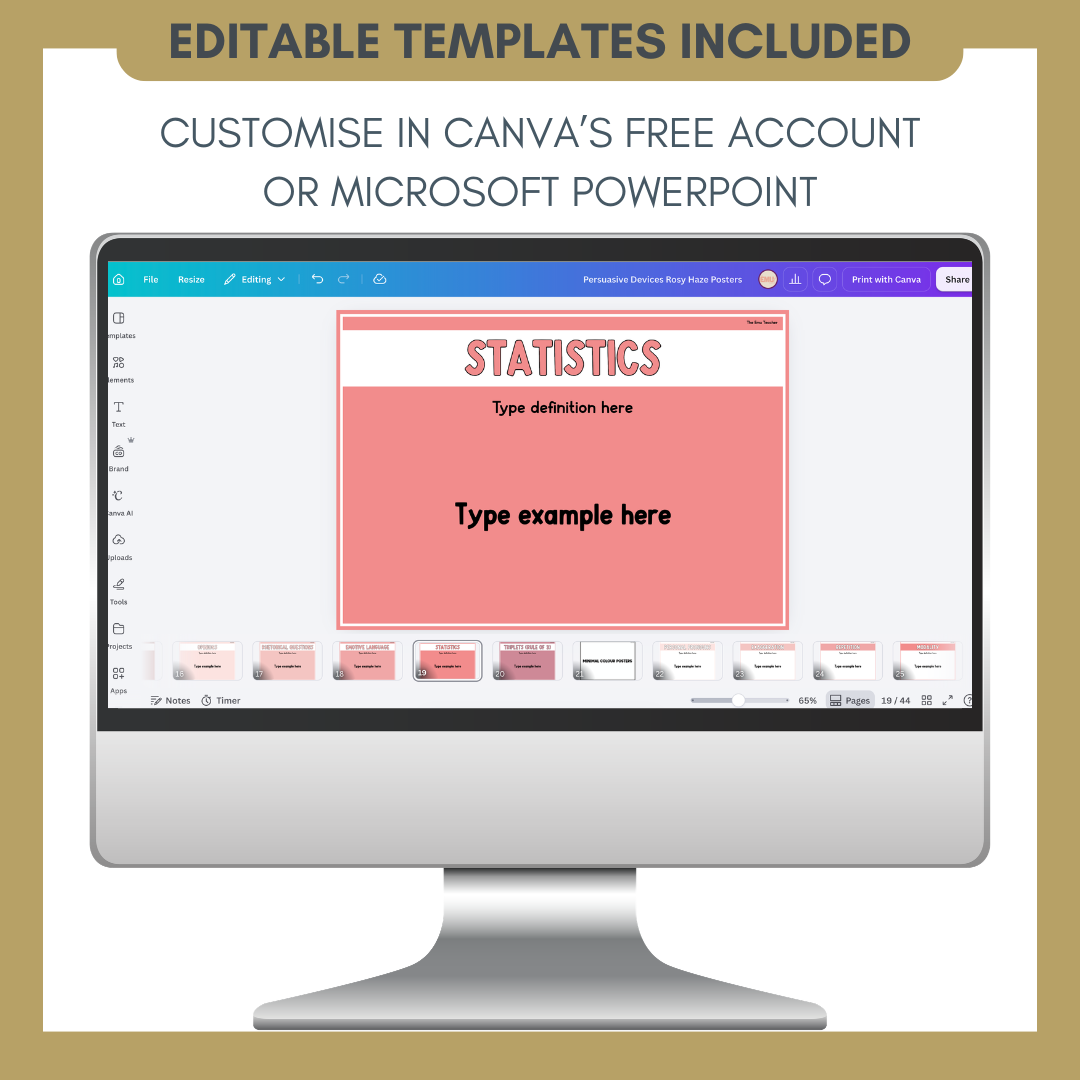
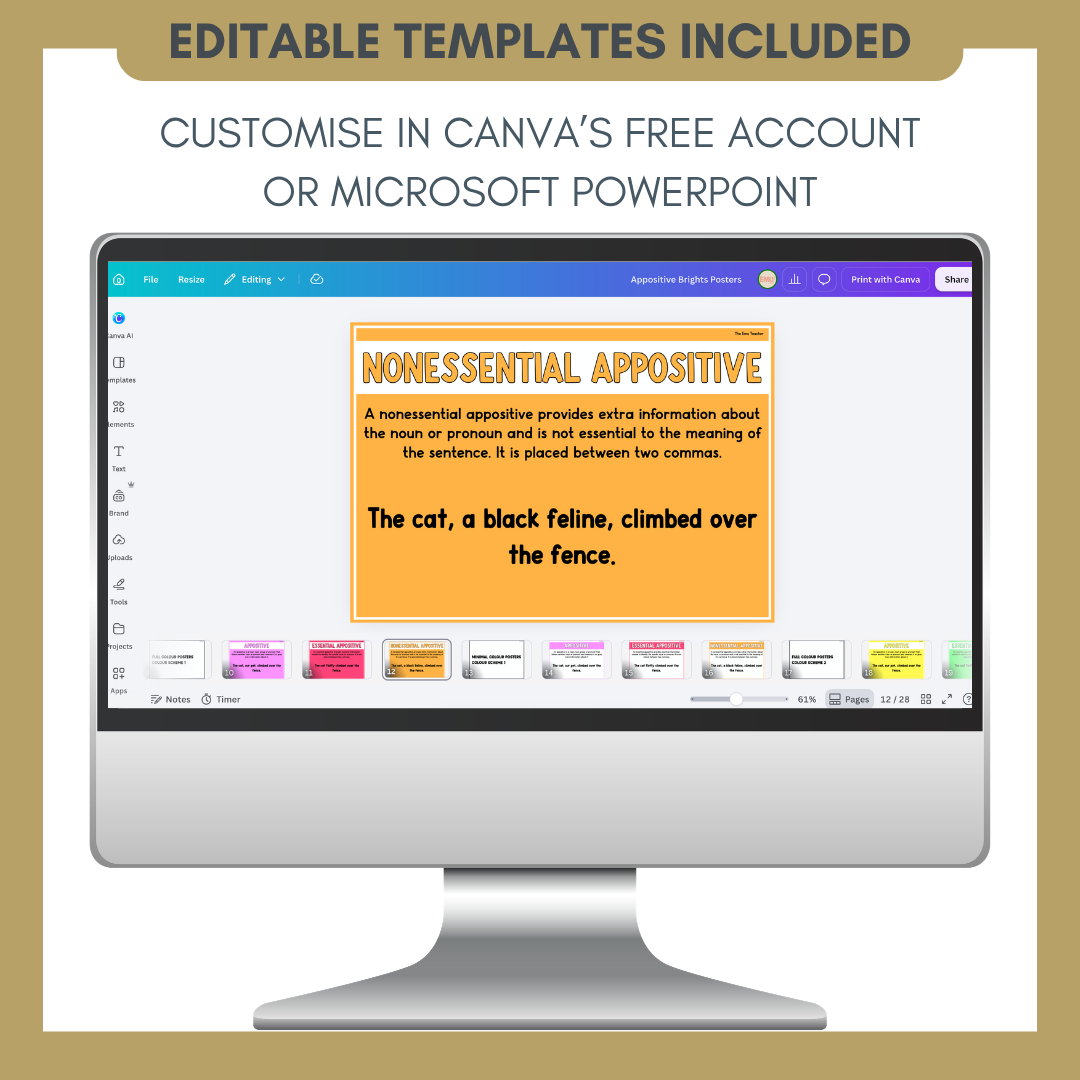
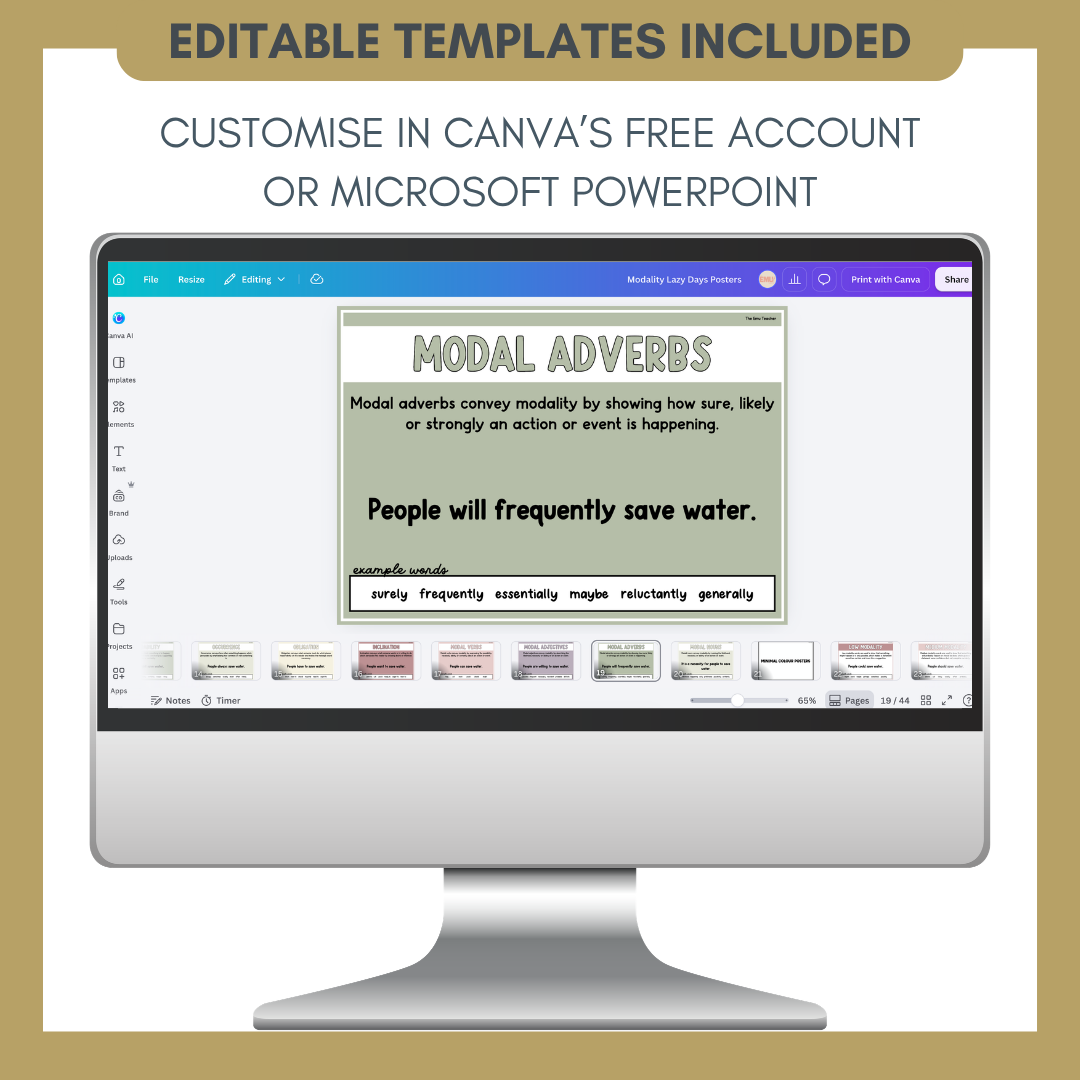
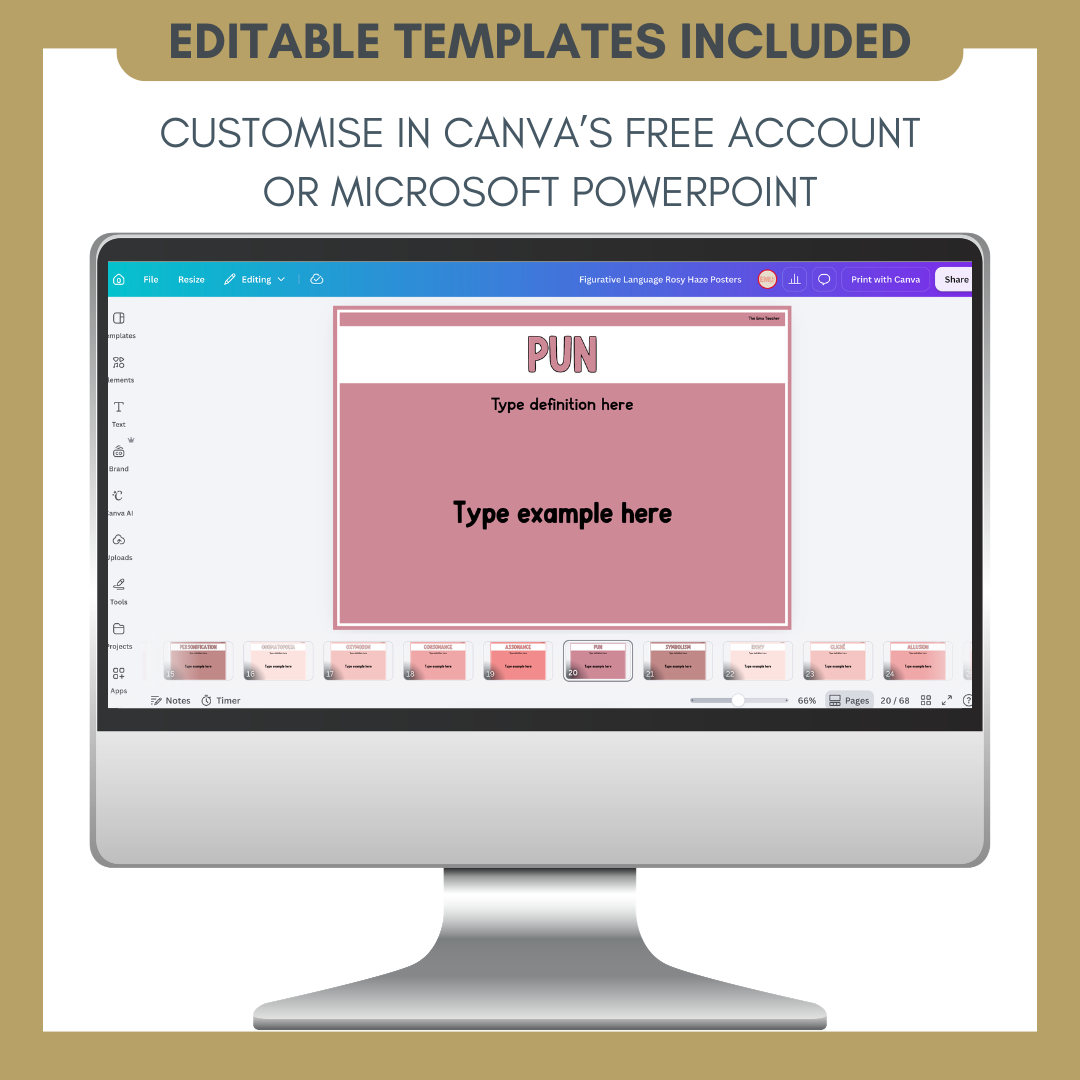
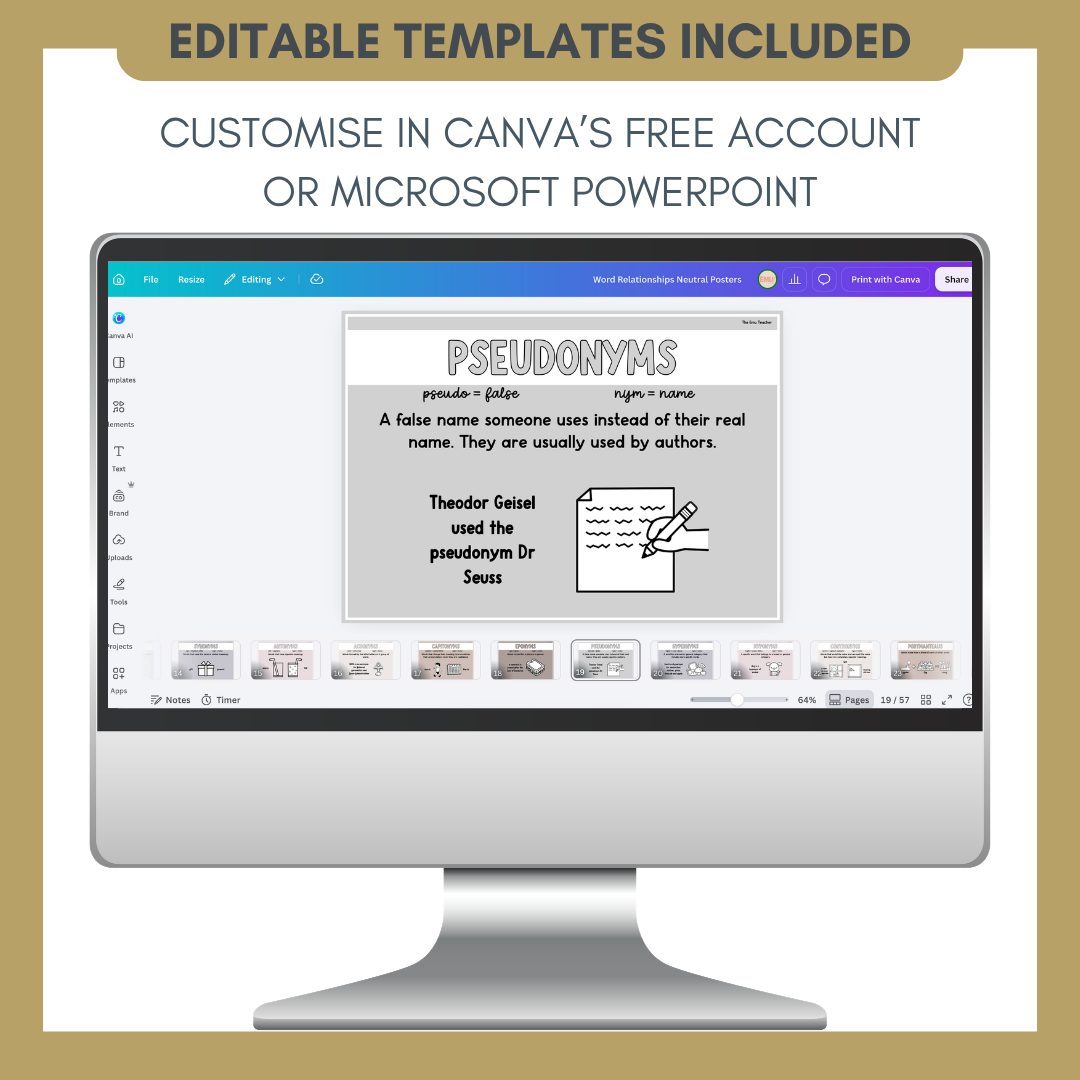
𓅦 Editable Templates
𓅦 Resource Guide PDF
WHY YOU'LL LOVE THIS RESOURCE:
With 6 language concepts covered, from foundational skills like fact and opinion to more advanced concepts like subjective language, objective language, bias, and unbiased language, this resource grows with your students from initial instruction through independent reading and writing application. Choose from three colour options and two orientations to match your classroom decor and printer preferences, and simply print and display so no prep beyond that is required.
The editable templates and display cards allow teachers to customise content and co-construct classroom displays with students. With both British/Australian and American spelling options, this resource is ready to use in classrooms around the world while providing a valuable year-round reference for persuasive writing and critical literacy skills.
EDITABLE TEMPLATES
Editable Canva and Microsoft PowerPoint templates allow you to customise the text and any fonts that are not part of the design.
Please note: The page design, graphics, colours and overall layout are fixed.
Do your students need help identifying fact, opinion, and bias as they read and write?
These Language Anchor Chart & Posters provide clear definitions, sentence examples, and key features to help students identify and apply six essential language concepts — fact, opinion, subjective language, objective language, bias, and unbiased language.
Perfect for persuasive writing lessons, reading comprehension instruction, and critical literacy support, this resource includes the anchor posters, display cards, cut-and-sort matching activities, and answer keys, giving students everything they need to recognise these language features and discuss how word choice shapes meaning as they read and write.
WHAT'S INCLUDED:
𓅦 Language Posters & Display Cards
Fact
Opinion
Objective Language
Subjective Language
Bias
Unbiased Language
𓅦 Header Posters
𓅦 Blank Display Card Option
Create student-generated definitions, examples, and key features
Co-construct learning wall with your class
𓅦 Sort Activity
𓅦 2 Spelling Options
𓅦 3 Colour Options
𓅦 2 Poster Orientation Options
𓅦 Editable Templates
𓅦 Resource Guide PDF
WHY YOU'LL LOVE THIS RESOURCE:
With 6 language concepts covered, from foundational skills like fact and opinion to more advanced concepts like subjective language, objective language, bias, and unbiased language, this resource grows with your students from initial instruction through independent reading and writing application. Choose from three colour options and two orientations to match your classroom decor and printer preferences, and simply print and display so no prep beyond that is required.
The editable templates and display cards allow teachers to customise content and co-construct classroom displays with students. With both British/Australian and American spelling options, this resource is ready to use in classrooms around the world while providing a valuable year-round reference for persuasive writing and critical literacy skills.
EDITABLE TEMPLATES
Editable Canva and Microsoft PowerPoint templates allow you to customise the text and any fonts that are not part of the design.
Please note: The page design, graphics, colours and overall layout are fixed.

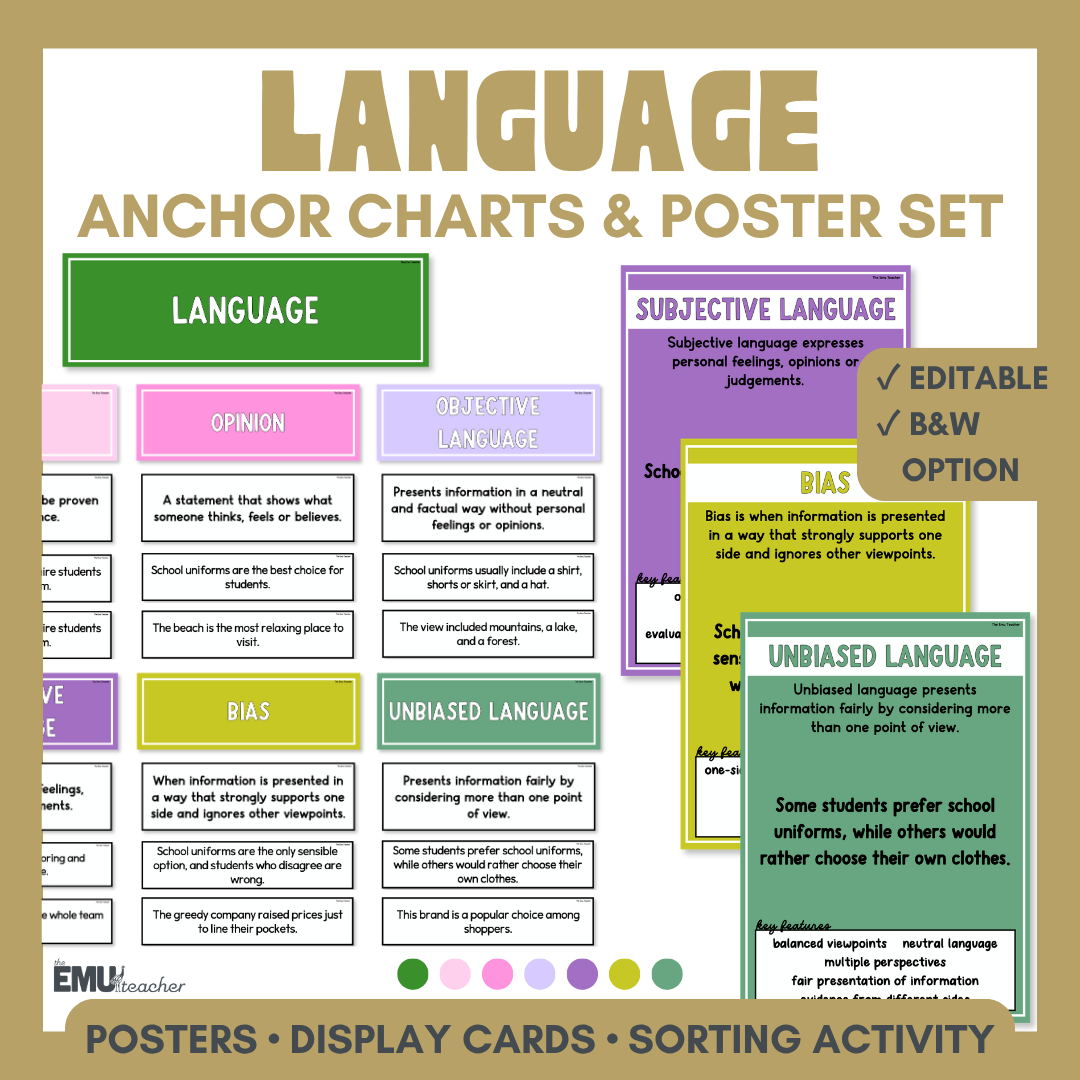 Image 1 of 8
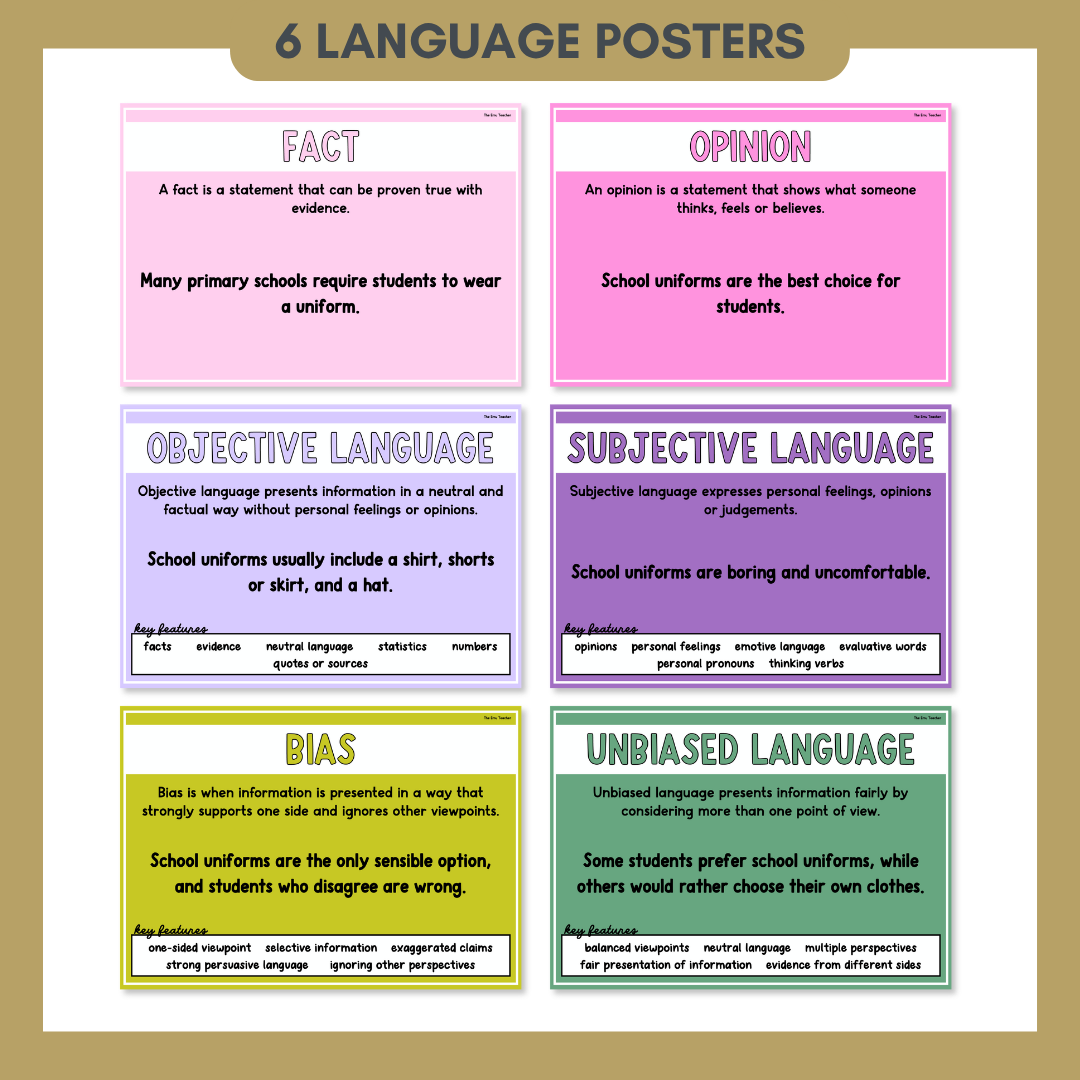 Image 2 of 8
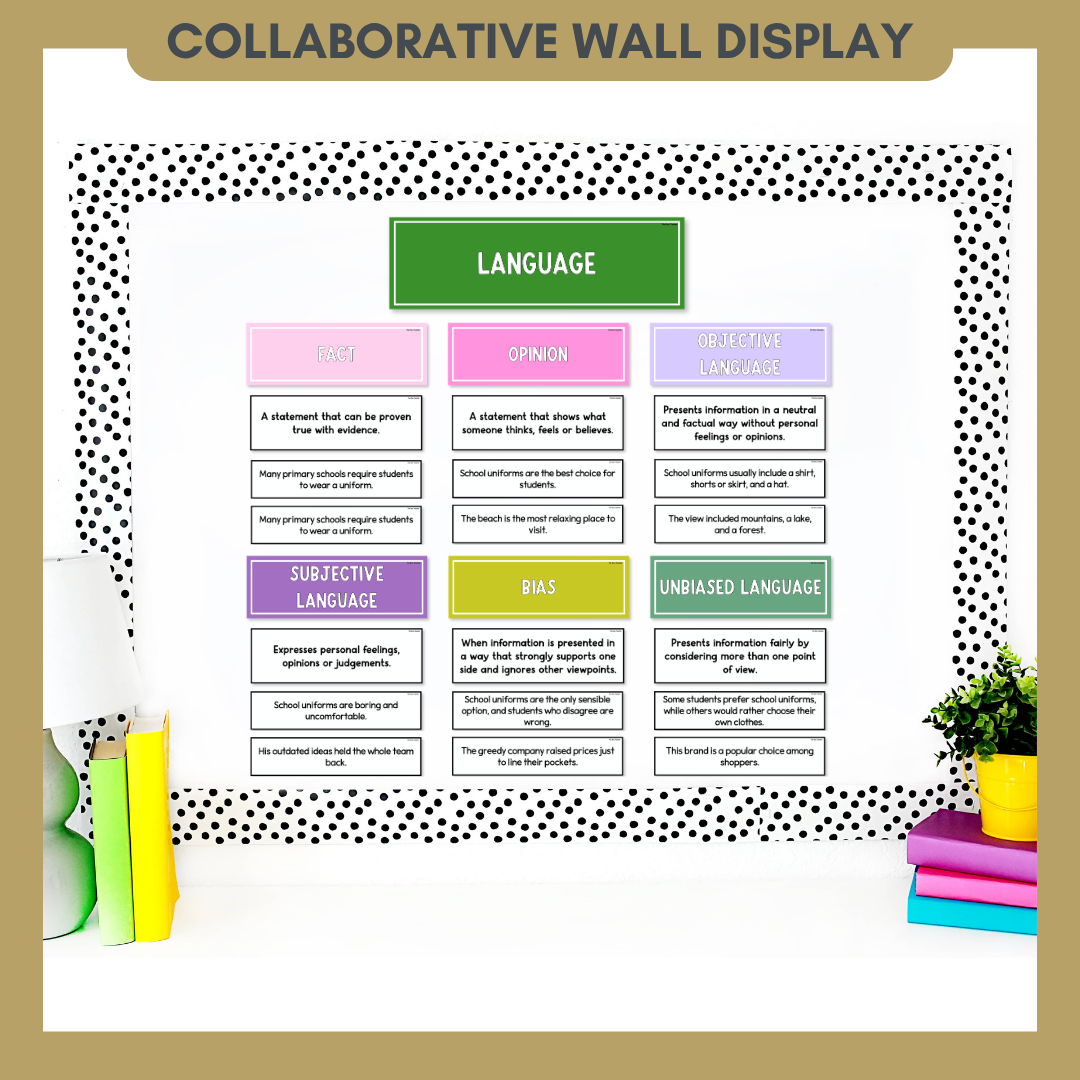 Image 3 of 8
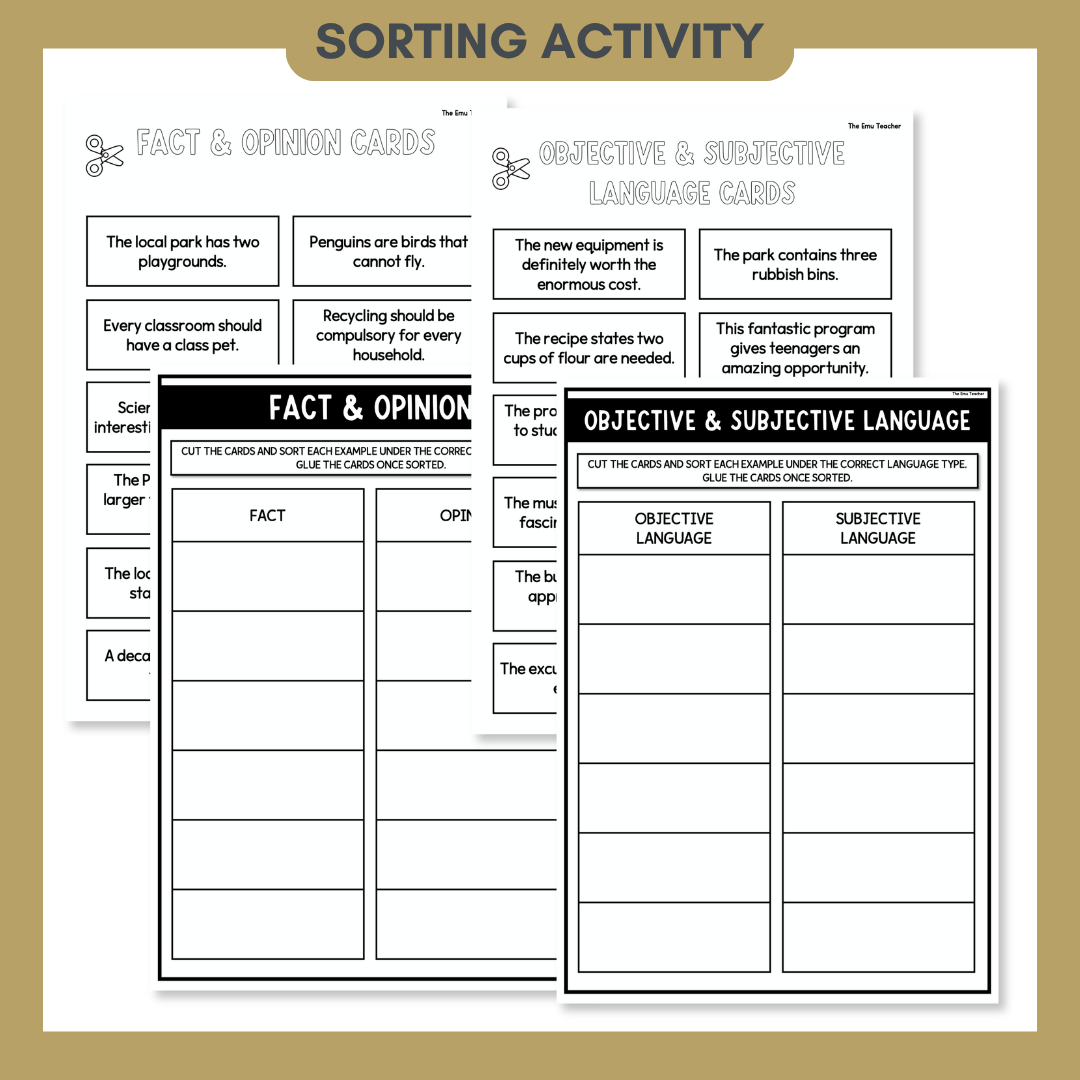 Image 4 of 8
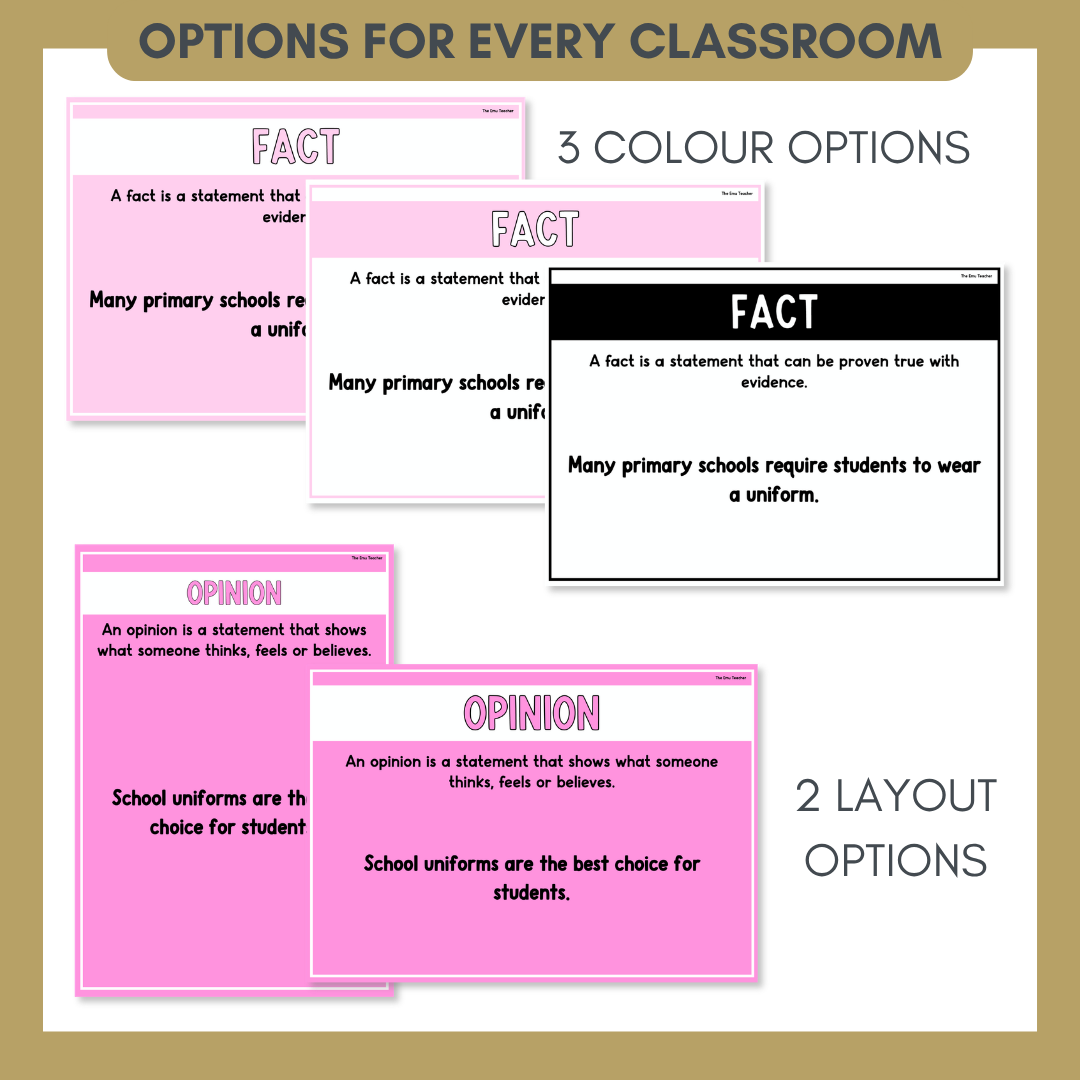 Image 5 of 8
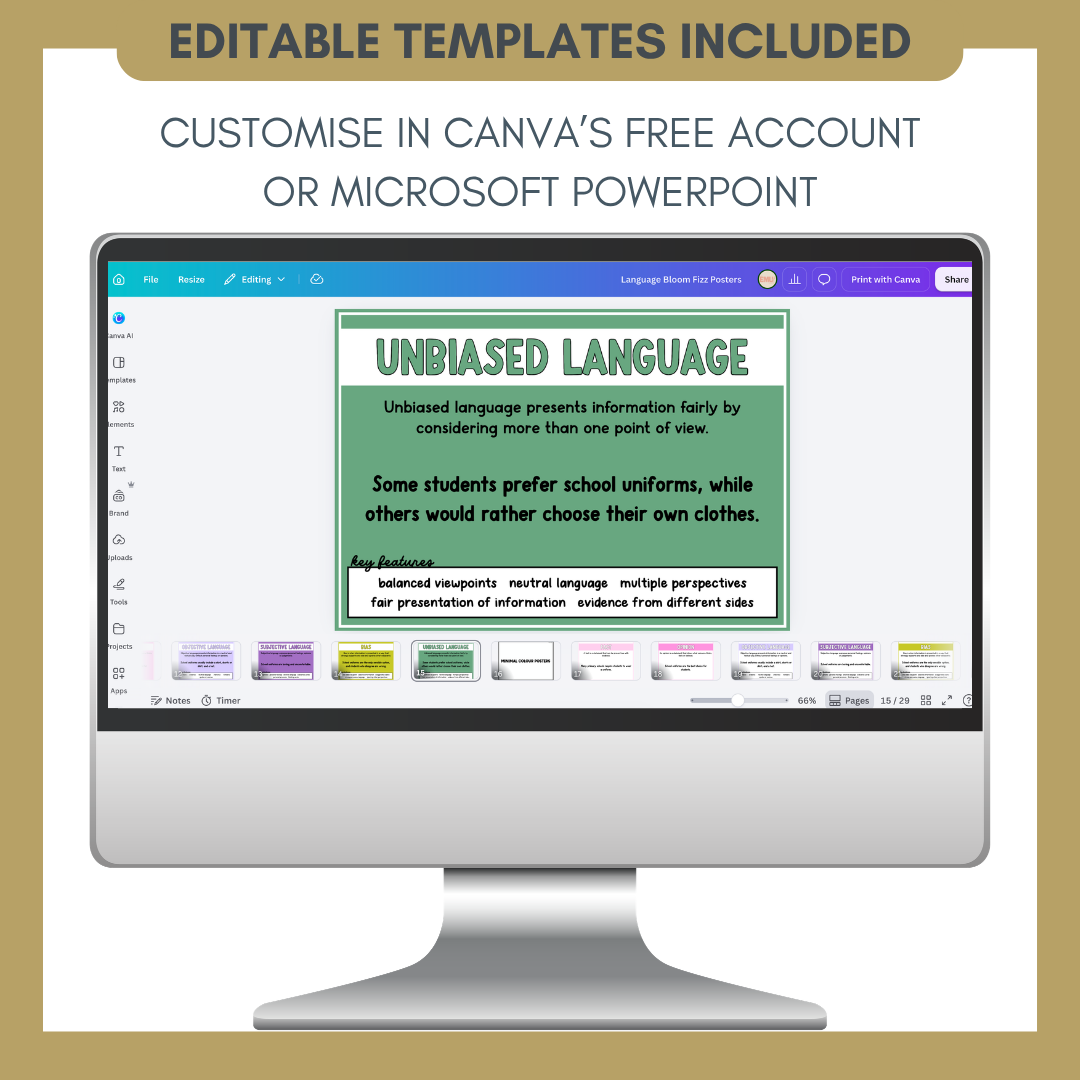 Image 6 of 8
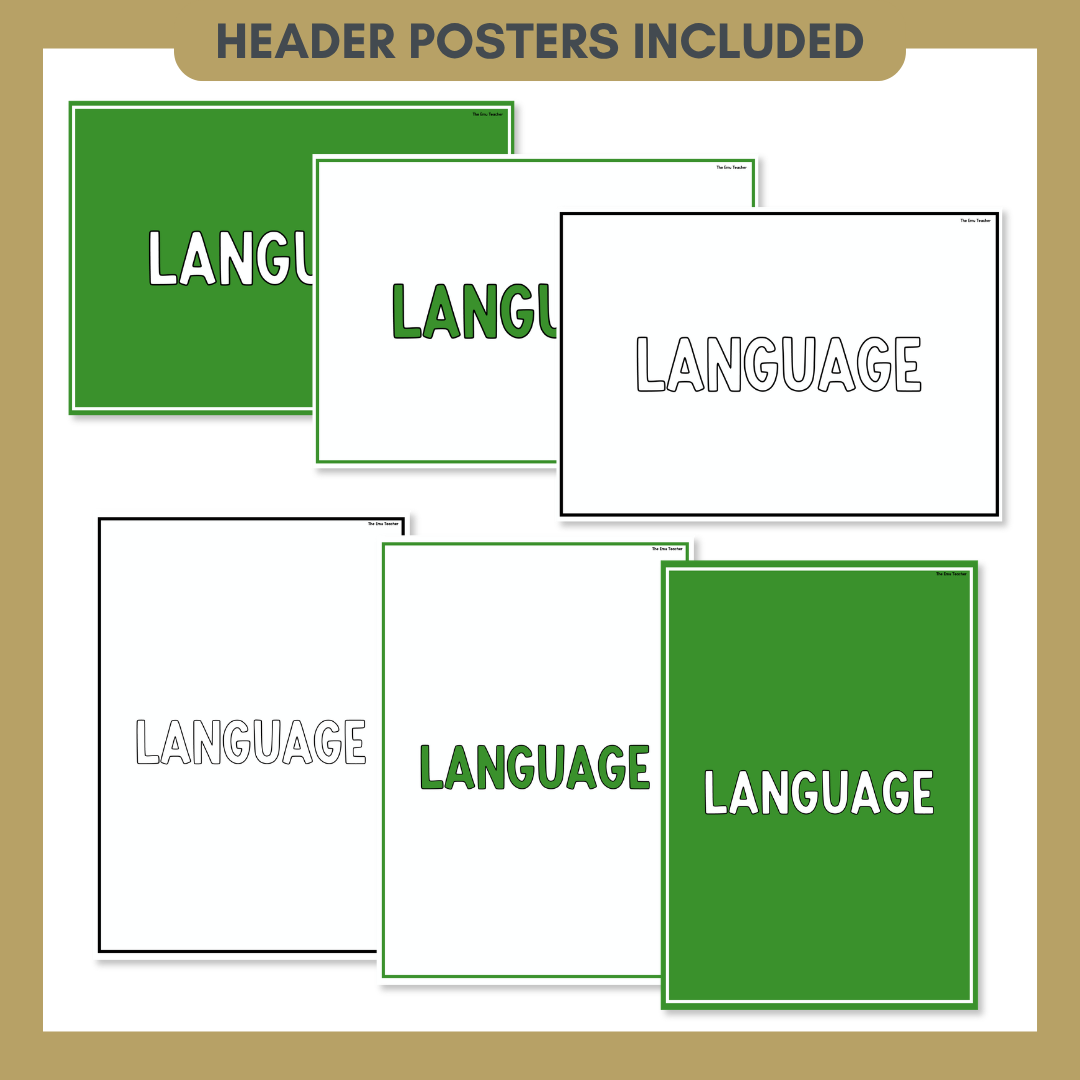 Image 7 of 8
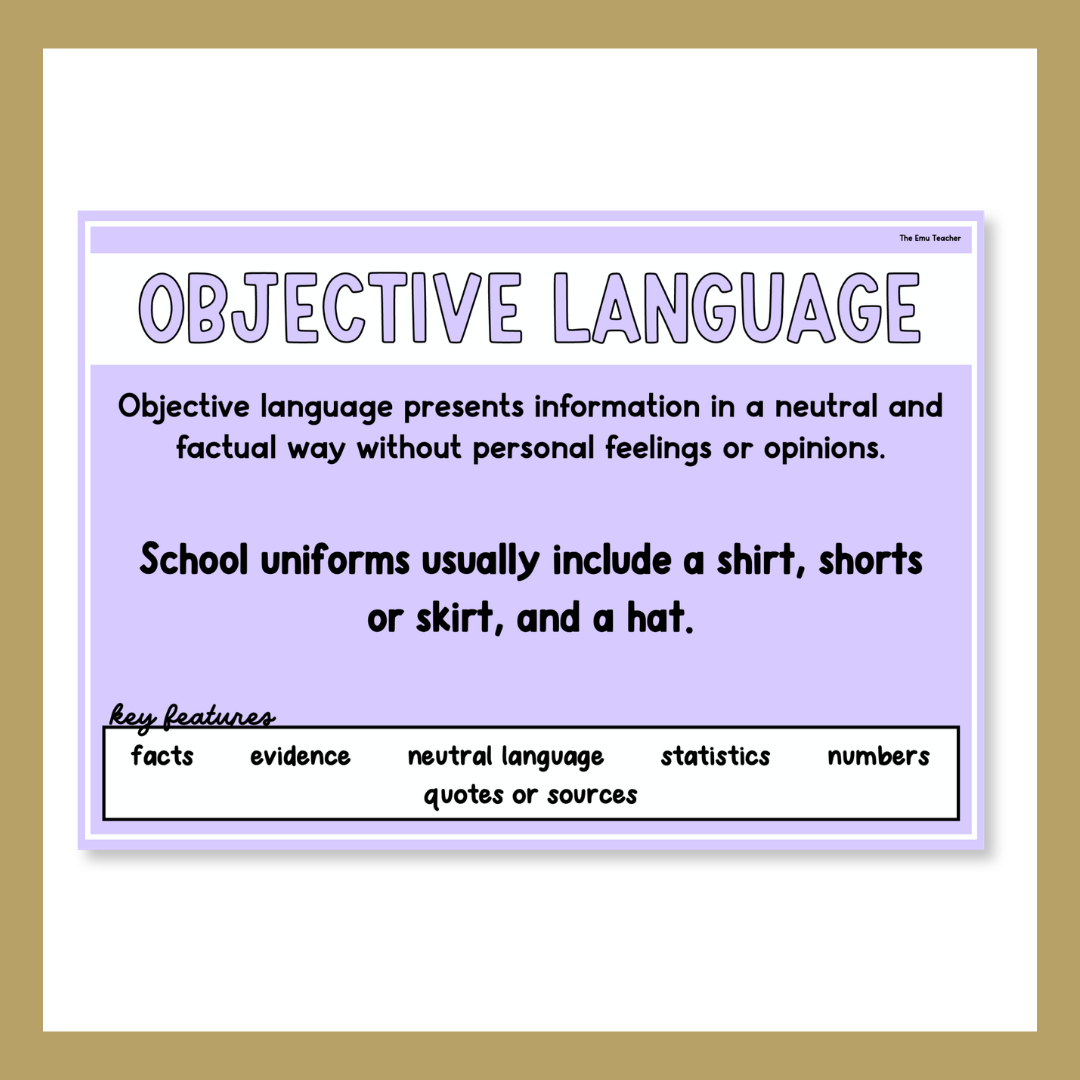 Image 8 of 8